If you’ve looked at a cannabis label lately, you’ve probably noticed two numbers that look almost identical: THC and THCA. They sound like the same thing, they’re often listed side by side, and yet almost every product on the shelf lists a much higher THCA percentage than THC percentage. That’s not a labeling error. It’s chemistry, and understanding it will change how you shop.
What is THCA?
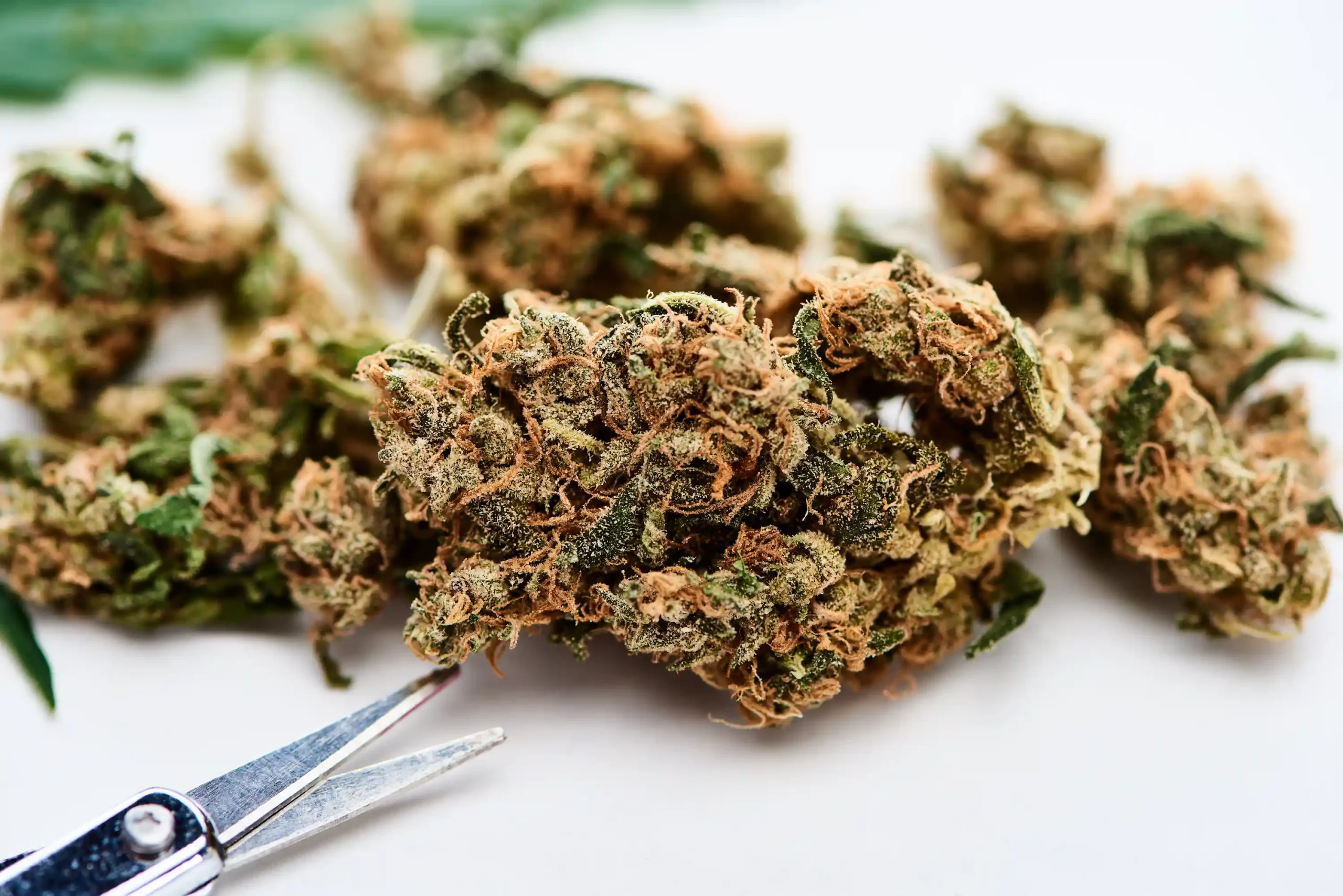
THCA, short for tetrahydrocannabinolic acid, is the compound the cannabis plant actually produces as it grows. Inside the plant’s trichomes, the frosty crystal structures coating a healthy bud, cannabis synthesizes THCA, not THC. In its raw form, THCA is non-intoxicating. You could eat a handful of fresh, unheated cannabis leaves and not feel high, because THCA doesn’t bind efficiently to the CB1 receptors in your brain responsible for cannabis’s psychoactive effects.
This is a detail a lot of new shoppers miss. When you see a jar of flower labeled “28% THCA, 0.8% THC,” that’s not a mislabeled or weak product. It’s simply a raw, unheated flower doing exactly what raw flower does. The plant hasn’t been decarboxylated yet, so nearly all of its cannabinoid content is still in acid form.
What is THC?
THC, or delta-9-tetrahydrocannabinol, is the compound most people are actually thinking of when they say “the stuff that gets you high.” It’s what THCA becomes once it loses a carboxyl group (a chemical structure made of carbon, oxygen, and hydrogen) through a reaction called decarboxylation. Once that carboxyl group is gone, the resulting THC molecule fits into CB1 receptors far more efficiently, which is what produces cannabis’s characteristic euphoric, relaxing, or energizing effects.
The Decarboxylation Process: How THCA Becomes THC
Decarboxylation happens with heat. Every time you smoke a joint, hit a vape, or fire up a dab rig, you’re decarboxylating THCA into THC in real time, converting it as you inhale. The same thing happens, more slowly and deliberately, when cannabis is baked into butter or oil for edibles; that’s why recipes call for baking flower in the oven before infusing it. Skip that step, and your edible will be full of THCA with barely any active THC, meaning it won’t get you high the way you’d expect.
Rough conversion math: multiply a product’s THCA percentage by about 0.877 to estimate how much THC it will actually produce once fully decarboxylated. That’s why a lab report listing “Total THC” usually reflects this calculated, post-conversion number rather than the raw THC percentage alone. If you’re comparing potency between products, Total THC is the number to look at, not the raw THC line by itself.
Does THCA Get You High?
In its unheated form, no. Raw THCA is not intoxicating in any meaningful way. This is why some wellness-focused consumers juice raw cannabis leaves or add raw flower to smoothies: they’re after the plant’s other reported benefits without the high. The moment that same flower is smoked, vaped, or cooked, however, the THCA converts to THC and the psychoactive effects follow. There isn’t a version of smoking or vaping THCA flower that skips this conversion. If you’re heating it, you’re getting THC.
Why Dispensary Labels List Both
New Jersey licensed dispensaries, including NJ Pure, are required to lab test products and disclose both THCA and THC percentages. This isn’t redundant information, it tells you two different things:
- THCA percentage tells you the raw cannabinoid content of the flower before any heat is applied, and roughly how strong it will be once you do smoke or vape it.
- THC percentage on a raw flower label is usually low, since most of the plant’s cannabinoid content hasn’t converted yet. It reflects any THC that formed naturally through minor degradation, not what you’ll experience once heated.
- Total THC (sometimes labeled “Total Potential THC”) combines both, using the decarboxylation math above, and is the most accurate single number for comparing potency between two flower products.
Products that have already been heated during processing, like vape cartridges, edibles, or concentrates, generally show high THC and low or near-zero THCA, since the conversion has already taken place.
THCA vs THC: Legal Status
This is where things get more complicated, and where it’s worth being precise. Adult-use cannabis, including both THCA-rich flower and THC products, is legal for adults 21 and older to purchase from licensed dispensaries in New Jersey. Everything sold through a regulated dispensary like NJ Pure has gone through required state testing and compliance checks, regardless of its THCA or THC content.
Separately, a legal gray area has emerged around hemp-derived THCA products sold outside the regulated cannabis market, often online or in smoke shops, based on the argument that raw THCA technically falls under the federal hemp definition (cannabis containing no more than 0.3% delta-9 THC by dry weight) even when its THCA content is high enough to produce a strong high once smoked. This loophole has drawn scrutiny from regulators and is actively being addressed at both the state and federal level, with rules varying by state and changing over time. Buying from a licensed, state-regulated dispensary sidesteps this uncertainty entirely, since every product has already been tested and classified correctly under New Jersey’s cannabis program rather than hemp law.
Does THCA Show Up on a Drug Test?
Standard drug tests are designed to detect THC metabolites, not THCA directly. However, since your body converts THCA to THC as soon as you smoke, vape, or otherwise heat and consume it, using THCA flower will still result in a positive THC drug test. There’s no meaningful difference here from a testing standpoint: if you’ve consumed cannabis in a way that involves heat, your body has THC in its system.
Which Should You Choose?
For most shoppers, this isn’t really an either/or decision. If you’re buying flower, pre-rolls, or anything you plan to smoke or vape, you’re buying THCA that will convert to THC the moment you use it, so the THCA percentage is your best guide to strength. If you’re buying something already processed, like a vape cartridge, edible, or concentrate, you’re looking at THC content directly, since conversion has already happened during manufacturing.
The practical takeaway: don’t be alarmed by a high THCA number and a low THC number on a flower label. That’s normal, expected, and simply describes cannabis in its natural, unheated state. Use Total THC to compare potency across products, and talk to a budtender if you want help translating lab numbers into an experience that matches what you’re looking for. If you’re new to reading flower labels in general, our guide on how to compare cannabis flower quality before buying covers this in more depth.
The Bottom Line
THCA and THC are two names for two related but distinct stages of the same compound. THCA is what the plant makes; THC is what that compound becomes once you apply heat. Every flower product you smoke starts as THCA and ends as THC by the time you exhale. Understanding that relationship helps you read lab labels accurately, estimate potency correctly, and shop with more confidence, whether you’re new to cannabis or you’ve just never had someone explain the chemistry behind the two acronyms. Stop by our Edgewater Park location and our team can walk you through it in person.
FAQ
Is THCA the same as CBD? No. THCA is the acidic precursor to THC, cannabis’s primary intoxicating compound. CBD (cannabidiol) is a separate, non-intoxicating cannabinoid with its own distinct chemical structure and effects. They come from different biosynthetic pathways within the plant.
Can you get high from eating raw cannabis? Not meaningfully. Raw cannabis contains THCA, not THC, and THCA doesn’t bind efficiently to the receptors responsible for cannabis’s psychoactive effects. You’d need to heat the cannabis first (through cooking, smoking, or vaping) to convert THCA into THC and feel intoxicating effects.
Why does flower have such a high THCA percentage but low THC? Because raw, unheated flower hasn’t gone through decarboxylation yet. Nearly all of its cannabinoid content is still in acid form until it’s exposed to heat, at which point it converts to THC.
Is high-THCA flower legal to buy at a licensed dispensary? Yes. Licensed New Jersey dispensaries, including NJ Pure, sell lab-tested, state-regulated cannabis flower regardless of its specific THCA or THC breakdown. This is different from unregulated hemp-derived THCA products sold outside the licensed cannabis market, which fall into a separate and more uncertain legal category.
Does THCA flower smell or look different from regular flower? No. THCA is the natural, unprocessed state of virtually all raw cannabis flower, so there’s no visible or aromatic difference between “THCA flower” and standard cannabis flower. The term simply reflects the plant’s chemistry before it’s heated.
How do I know how strong a flower product will actually be? Look at the Total THC or Total Potential THC number on the lab label rather than the raw THC percentage alone. This figure accounts for the conversion that happens once you smoke or vape the product and gives a more accurate picture of real-world potency.