
Understanding Cannabis Flower Quality: What Makes Premium Cannabis Worth Your Investment
Walking into a dispensary and facing rows of flower jars can feel overwhelming, especially when you’re trying to determine which products offer genuine quality versus clever marketing. The truth is, evaluating cannabis flower quality doesn’t require expert-level knowledge—you just need to know what signals to look for and which red flags to avoid.
High-quality cannabis flower represents the intersection of careful cultivation, proper harvesting techniques, and meticulous post-harvest handling. When these elements align, you get a product that preserves its natural cannabinoid and terpene profiles, delivers a consistent experience, and justifies its price point. Whether you’re shopping for medical relief or recreational enjoyment, understanding how to assess flower quality protects your investment and ensures you’re getting what you pay for.
This guide breaks down the essential factors that separate premium cannabis from subpar products, giving you the practical knowledge to make confident purchasing decisions every time you visit a dispensary.
Visual Inspection: Reading the Story Your Buds Tell
Your eyes offer the first line of defense against low-quality cannabis. Visual assessment reveals critical information about how the plant was grown, harvested, and handled after cultivation.
Color Vibrancy and Consistency
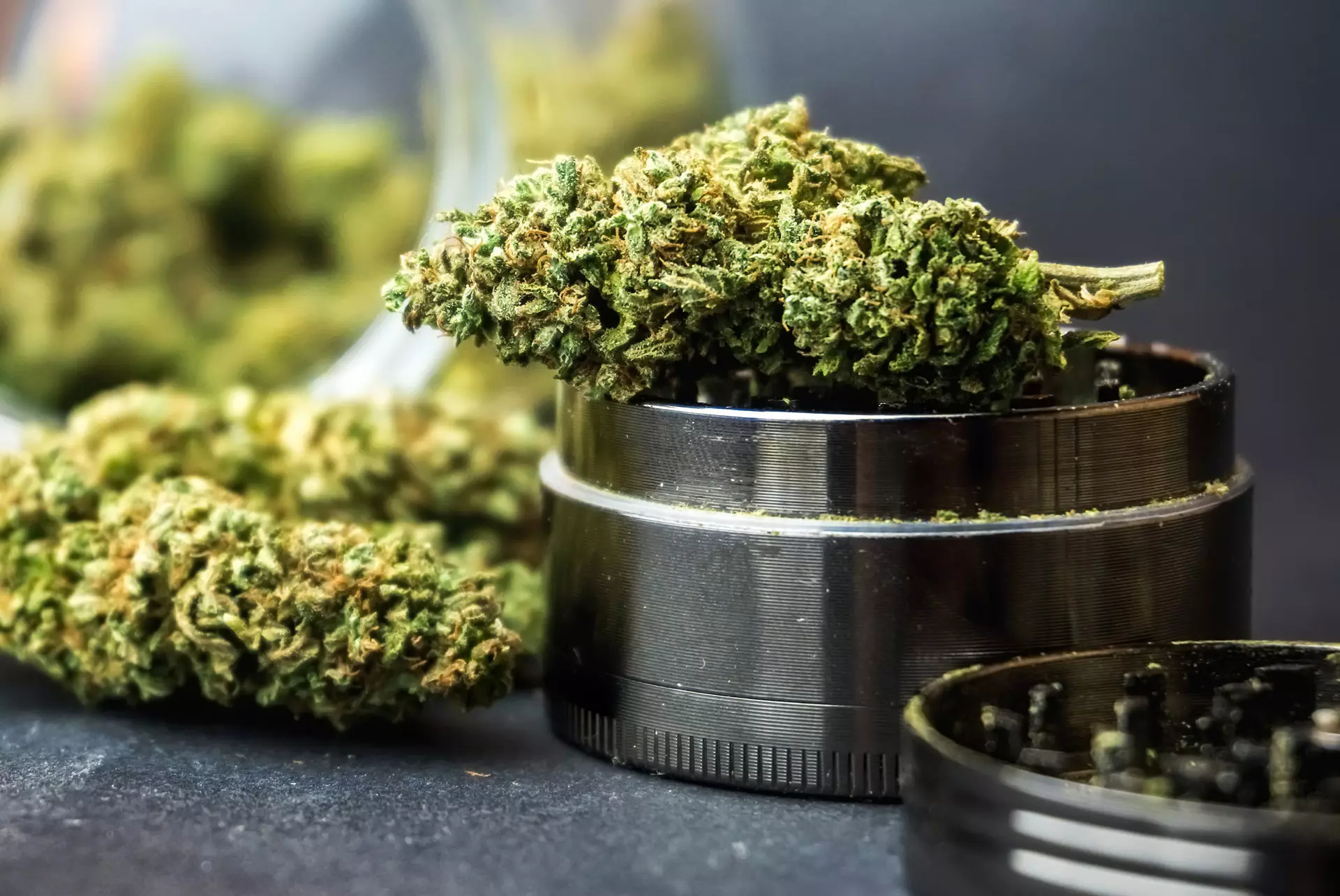
Premium cannabis flower displays vibrant, healthy colors that immediately catch your attention. Deep forest greens often dominate, but depending on genetics and growing conditions, you might also see rich purples, bright oranges from the pistils, or even hints of blue. These colors should appear saturated and alive—not faded or washed out.
Brown, yellow, or excessively pale buds typically indicate age, light exposure during storage, or nutrient problems during cultivation. While some natural color variation exists between strains, dullness generally signals degraded quality. The exception is certain cultivars bred specifically for unique pigmentation, but even these should maintain color intensity rather than appearing faded.
Trichome Coverage: Where the Magic Happens
Trichomes are the tiny, crystal-like structures coating quality cannabis buds, and they’re absolutely essential to your experience. These resinous glands produce and store cannabinoids like THC and CBD, along with the aromatic terpenes that give each strain its distinctive character.
When examining flower, look for dense trichome coverage that creates a frosty, glittering appearance under light. The buds should look like they’ve been dusted with fine crystals. Sparse trichome coverage or complete absence of this crystalline coating suggests either poor genetics, premature harvesting, or rough handling that knocked the delicate structures off the plant material.
Under close inspection or magnification, trichome heads should appear intact and cloudy or milky in color. Clear trichomes indicate immaturity, while completely amber ones suggest the flower may be past its prime. The ideal harvest window produces predominantly cloudy trichomes with some amber mixed in, though this balance varies by desired effects.
Bud Structure and Density
Well-cultivated cannabis develops a bud structure appropriate to its genetic lineage. Indica-dominant strains typically produce dense, compact buds, while sativa-dominant varieties often form airier, more elongated structures. Hybrids fall somewhere in between, depending on their genetic makeup.
Regardless of strain type, quality buds should be well-formed and properly manicured. Excessive stems and leaves indicate rushed or careless trimming. Seeds are a major red flag—they signal stress during the growing cycle and result in harsh, less potent smoke since the plant diverted energy toward reproduction rather than cannabinoid production.
The buds should also be free from visible mold, which appears as white, gray, or black fuzzy patches. Mold contamination poses serious health risks and renders the entire batch unusable. Similarly, watch for signs of pest damage, including small holes, webbing, or discoloration that suggests insect activity during cultivation.
Aroma Assessment: Your Nose Knows Quality
If visual inspection is your first quality checkpoint, aroma assessment is your second—and arguably more revealing—evaluation tool. The scent profile of cannabis flower tells you volumes about its terpene content, freshness, and overall quality.
Terpene Complexity and Intensity
Quality cannabis delivers a complex, layered aroma that should be immediately apparent when you open the container. Depending on the strain’s terpene profile, you might detect citrus notes from limonene, pine scents from pinene, earthy undertones from myrcene, spicy pepper notes from caryophyllene, or floral hints from linalool.
The aroma should be strong and inviting, not faint or one-dimensional. Multi-layered scent profiles indicate rich terpene content, which not only enhances flavor but also contributes to the entourage effect—the synergistic interaction between cannabinoids and terpenes that shapes your overall experience.
Premium flower maintains its aromatic intensity even after the container has been opened multiple times, though proper storage becomes increasingly important once the original seal is broken. If you’re comparing strains at a dispensary, ask your budtender if you can smell samples—this hands-on evaluation often reveals quality differences that aren’t apparent from viewing through glass jars alone.
Warning Signs in the Scent Department
Just as certain aromas signal quality, others wave red flags that should make you reconsider your purchase. A musty, hay-like smell indicates improper curing—the critical post-harvest process that preserves cannabinoids and terpenes while removing excess moisture and chlorophyll.
Moldy or mildew odors obviously indicate contamination and render the product unsafe for consumption. If the flower smells like chemicals, ammonia, or anything synthetic, it may have been exposed to pesticides, improper storage conditions, or contamination during processing.
Perhaps most common is simply the absence of smell. If cannabis flower has little to no aroma, it’s likely old, improperly stored, or was poorly grown from the start. Terpenes are volatile compounds that degrade over time and with exposure to heat, light, and oxygen. No smell typically means degraded or absent terpenes, which translates to diminished flavor and potentially altered effects.
For insights into how different terpene profiles influence your cannabis experience, exploring cannabis education resources can deepen your understanding of these aromatic compounds and their therapeutic potential.
Texture and Moisture Content: The Goldilocks Principle
Proper moisture content sits at the intersection of safety, potency preservation, and user experience. Too dry or too moist both create problems, making texture assessment a critical quality indicator.
The Ideal Texture Balance
Quality cannabis flower should feel slightly springy when gently squeezed, with just enough moisture to make the buds slightly sticky from resin but not damp or wet to the touch. When you break apart a well-cured bud, it should separate cleanly with a satisfying snap, leaving a slight tackiness on your fingers from the trichome resin.
The flower should grind smoothly and evenly, producing a consistency appropriate for your preferred consumption method. Whether you’re rolling, packing a bowl, or loading a vaporizer, properly cured cannabis breaks down into uniform pieces rather than turning to dust or clumping together.
Too Dry: The Most Common Problem
Overly dry cannabis represents the most frequent moisture issue you’ll encounter. When flower becomes too dehydrated, it crumbles into dust at the slightest touch, produces harsh smoke that irritates your throat, and burns faster than properly hydrated flower.
More importantly, excessive dryness indicates degraded trichomes and terpene loss. Those volatile aromatic compounds evaporate as moisture leaves the plant material, taking flavor and some of the entourage effect with them. While extremely dry cannabis may still contain cannabinoids, the overall experience suffers considerably.
Improper storage causes most dryness issues. Cannabis exposed to air, heat, or light degrades quickly. This is why checking packaging dates matters—flower that’s been sitting on dispensary shelves for months is more likely to have dried out, even in sealed containers.
Too Moist: A Safety Concern
While less common in regulated dispensaries, overly moist cannabis presents serious problems. Wet or damp flower indicates incomplete curing, which can harbor mold and bacteria that pose health risks when inhaled.
Beyond safety concerns, moist cannabis doesn’t burn properly. It’s difficult to grind, produces uneven combustion, and may go out repeatedly during smoking. The excess moisture also adds dead weight—you’re paying for water content rather than active cannabinoids.
If flower feels spongy, damp, or won’t stay lit during consumption, it hasn’t been properly dried and cured. This represents a quality control failure that should make you question the producer’s standards across their entire operation.
Cultivation Methods: How Growing Practices Impact Quality
Understanding cultivation approaches helps you make informed decisions about which products align with your values and quality expectations. Different growing methods produce distinct characteristics in the final flower.
Indoor vs. Outdoor vs. Greenhouse Cultivation
Indoor cultivation offers maximum environmental control, allowing growers to optimize lighting, temperature, humidity, and nutrients for each strain. This controlled approach typically produces very consistent results with dense trichome coverage and robust terpene profiles. However, indoor growing requires significant energy input, which often translates to higher prices.
Outdoor cultivation harnesses natural sunlight and often produces larger yields at lower costs. Proponents argue that sun-grown cannabis develops more complex terpene profiles due to exposure to natural environmental variations. However, outdoor grows face weather unpredictability, pest pressures, and less consistency between harvests.
Greenhouse cultivation splits the difference, using natural sunlight supplemented with environmental controls. This method can produce quality comparable to indoor flower while reducing energy costs and environmental impact.
None of these methods is inherently superior—skilled cultivators produce exceptional cannabis using all three approaches. What matters more is the grower’s expertise, attention to detail, and commitment to quality at every stage.
Organic and Living Soil Methods
Growing practices also include nutrient sources and soil health. Organic cultivation avoids synthetic pesticides and fertilizers, instead relying on natural inputs and beneficial microorganisms. Many consumers prefer organic cannabis for health and environmental reasons, though organic certification in cannabis remains complicated due to federal prohibition.
Living soil methods take organic growing further, cultivating rich microbial ecosystems that feed plants naturally while building soil health over time. Advocates claim living soil produces more complex terpene profiles and smoother smoke, though scientific research on these specific claims remains limited.
While cultivation method alone doesn’t guarantee quality, growers who invest in sustainable, craft-focused approaches often demonstrate the overall commitment to excellence that produces superior flower.
Lab Testing: Data-Driven Quality Verification
In regulated markets, third-party laboratory testing provides objective quality verification that goes beyond sensory evaluation. Understanding how to read and interpret lab results empowers you to make data-informed purchasing decisions.
Cannabinoid Profiles and Potency
Lab reports detail the cannabinoid content of each batch, typically listing THC, THCA (the acidic precursor to THC), CBD, CBDA, and sometimes minor cannabinoids like CBG, CBN, and THCV. These numbers tell you about potency but don’t define quality on their own.
Total THC calculations combine THCA and THC after accounting for decarboxylation—the heating process that converts THCA to psychoactive THC. This number gives you the most accurate picture of potential potency, though individual responses vary based on tolerance, metabolism, and consumption method.
While high THC percentages attract attention, they don’t automatically indicate superior quality or better effects. A 15% THC strain with rich terpenes and proper curing often delivers a more enjoyable experience than a poorly-handled 25% THC product. Cannabinoid content is one data point among many, not the sole quality determinant.
Terpene Testing
Forward-thinking producers include terpene testing on their labels, listing the primary aromatic compounds and their concentrations. This information helps you predict flavor profiles and potential effects more accurately than cannabinoid percentages alone.
Common terpenes to look for include myrcene (earthy, relaxing), limonene (citrus, uplifting), caryophyllene (spicy, potentially anti-inflammatory), pinene (pine, potentially alertness-promoting), and linalool (floral, calming). The specific combination and ratios create each strain’s unique character.
Total terpene percentages above 2% generally indicate robust flavor and aroma, while anything below 1% suggests significant terpene loss during processing or storage. Like cannabinoids, terpenes degrade over time, making fresh batches with recent testing dates more reliable indicators of current quality.
Contaminant Screening
Perhaps the most critical testing ensures your cannabis is safe to consume. Comprehensive lab analysis screens for pesticides, heavy metals, residual solvents (for extracts), mold, mildew, and microbial contaminants like E. coli and salmonella.
Regulated dispensaries should only carry products that pass these safety tests, but standards and enforcement vary by jurisdiction. When available, reviewing the full Certificate of Analysis (COA) provides peace of mind that the flower meets safety standards.
Products without accessible lab testing should raise concerns, especially in markets where testing isn’t mandatory. The small cost of testing represents a worthwhile investment in consumer safety and demonstrates a producer’s commitment to transparency.
Packaging and Storage: Preserving Quality from Harvest to Consumption
Even perfectly cultivated and cured cannabis degrades rapidly under poor storage conditions. Packaging quality and storage practices significantly impact the flower you ultimately consume.
Packaging Date Matters
Always check the packaging or harvest date before purchasing. Cannabis quality peaks shortly after proper curing—typically 2-4 weeks post-harvest—and then gradually declines as terpenes evaporate and cannabinoids degrade.
Flower packaged within the last 2-3 months generally maintains good quality if properly stored. Products sitting on shelves for six months or longer face increasing terpene loss and cannabinoid degradation, even in sealed containers. When comparing similar products, choosing the fresher batch almost always delivers better aroma, flavor, and effects.
Container Quality
Premium producers package their flower in opaque, airtight containers that protect against light and air exposure—the primary enemies of cannabinoid and terpene preservation. Glass jars with quality seals offer excellent protection, while opaque plastic containers provide good protection at lower cost.
Clear containers allow light penetration, which degrades cannabinoids through oxidation. If you purchase flower in clear packaging, transfer it to an opaque, airtight container when you get home to prevent further degradation.
Some advanced packaging includes humidity control—typically in the form of small humidity packs that maintain ideal relative humidity around 55-62%. This prevents over-drying while avoiding moisture levels that encourage mold growth.
Home Storage Best Practices
Once you’ve selected quality flower, proper home storage preserves that quality. Store cannabis in a cool, dark place away from heat sources and direct sunlight. Ideal temperatures range from 60-70°F, though most home environments work fine as long as you avoid extreme heat.
Keep containers sealed when not in use to minimize air exposure. While refrigeration can extend shelf life for long-term storage, it’s generally unnecessary for flower you’ll consume within a few weeks. Never freeze cannabis flower—ice crystals damage trichomes and cellular structure.
For consumers interested in exploring various consumption methods while preserving quality, learning about different product categories and their storage requirements helps maintain optimal freshness across your collection.
Price vs. Quality: Understanding Value in Cannabis
Price points in dispensaries often correlate with quality, but the relationship isn’t perfectly linear. Understanding what drives cannabis pricing helps you identify genuine value rather than simply buying the most expensive option or settling for the cheapest.
What You’re Paying For
Premium-priced cannabis typically reflects several quality factors: superior genetics from reputable breeders, skilled cultivation with attention to detail, proper curing and handling, small-batch production that allows quality control, comprehensive testing, and quality packaging that preserves freshness.
Mid-range products can offer excellent quality when producers focus on efficiency