
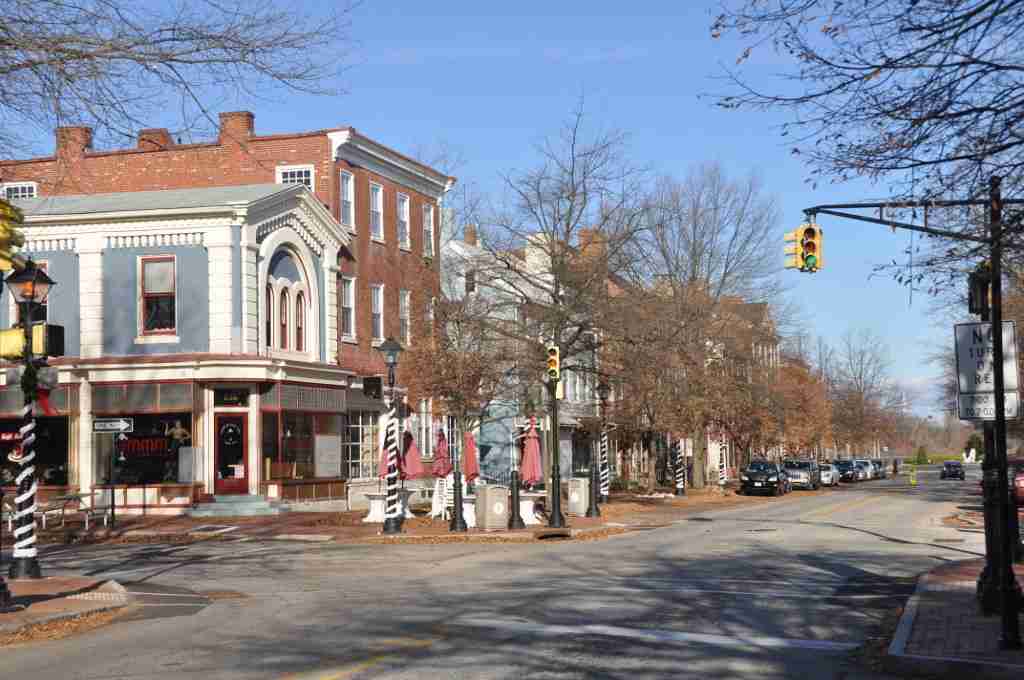
NJ Pure’s Edgewater Park location sits along Route 130 in Burlington County—perfectly positioned to serve both New Jersey residents and Pennsylvania visitors crossing the Delaware River for legal cannabis access.
This geographic positioning reflects an interesting dynamic in the regional cannabis landscape: New Jersey offers legal adult-use cannabis while Pennsylvania maintains medical-only access, creating cross-border demand from Pennsylvania residents seeking recreational products unavailable in their home state.
Understanding the legal frameworks in both states, what Pennsylvania residents can and cannot legally do in New Jersey, the risks and considerations involved, and the future trajectory of Pennsylvania legalization helps consumers on both sides of the Delaware River navigate this complex cross-state situation responsibly.
New Jersey’s Legal Framework
Adult-use legalization took effect in April 2022 following voter approval in November 2020. Any adult 21+ with valid government ID can purchase cannabis from licensed dispensaries without medical card requirements.
Purchase limits allow up to one ounce of flower or equivalent in other products per transaction. There’s no daily limit—theoretically you could visit multiple dispensaries in one day—though this would be unusual for personal consumption.
Consumption laws prohibit public use. Cannabis can only be consumed on private property with owner permission. Landlords can prohibit tenant consumption. Consumption in vehicles (even parked) is illegal.
Employment protections remain limited. Employers can still terminate employees for cannabis use despite legalization, though some workplace protection legislation has been proposed.
Home cultivation remains prohibited for both recreational and medical users, unlike many legal states that allow personal growing.
Medical program continues parallel to adult-use market. Medical patients enjoy tax exemptions, higher purchase limits, and access to patient-only products.
Pennsylvania’s Current Status
Medical-only access means only registered medical marijuana patients with qualifying conditions can legally purchase cannabis in Pennsylvania. Recreational use remains illegal.
Qualifying conditions include cancer, epilepsy, PTSD, chronic pain, anxiety disorders, and various other ailments. Patients must obtain certification from registered physicians and register with state program.
Product restrictions in Pennsylvania prohibit raw flower sales (though this recently changed allowing flower for medical patients). The program initially limited patients to concentrates, tinctures, and pills, though it has gradually expanded.
Purchase limits for Pennsylvania medical patients differ from New Jersey recreational limits, with monthly purchase caps based on physician recommendations.
Decriminalization in major cities like Philadelphia means small possession amounts result in civil fines rather than criminal charges, though this varies by municipality and doesn’t constitute legalization.
Political landscape regarding recreational legalization shows mixed signals. Some legislators push for adult-use while others resist. Neighboring states (New Jersey, Delaware, Maryland) having legalized create pressure for Pennsylvania to follow suit or lose tax revenue to border dispensaries.
What Pennsylvania Residents Can Do in New Jersey
Legal purchase by Pennsylvania residents 21+ is completely legal in New Jersey. State law doesn’t restrict sales based on residency—anyone with valid government ID meeting age requirements can buy.
Amount limits match New Jersey resident limits—one ounce flower equivalent per transaction. Being from out-of-state doesn’t reduce allowed purchase amounts.
Consumption in New Jersey follows the same private-property rules applying to residents. Pennsylvania visitors can’t consume in public spaces, parks, or vehicles but could consume at private residences with permission.
Transportation within New Jersey of legally purchased cannabis is permitted as long as it remains in original sealed packaging and doesn’t exceed possession limits.
What Pennsylvania Residents Cannot Legally Do
Interstate transport represents the critical limitation. Federal law prohibits transporting cannabis across state lines regardless of legality in origin or destination states. Technically, driving legally purchased New Jersey cannabis back to Pennsylvania constitutes federal crime (though rarely prosecuted for personal amounts).
This creates legal paradox: Pennsylvania residents can legally purchase in New Jersey but cannot legally bring purchases home. Theoretically, they must consume entirely within New Jersey, which is impractical for most products, especially edibles and concentrates.
Pennsylvania possession of recreational cannabis remains illegal. If stopped by Pennsylvania police with cannabis, even showing New Jersey dispensary receipt provides no legal protection under Pennsylvania law.
Employment risks for Pennsylvania residents include potential termination if employer drug testing reveals cannabis use, even if consumption occurred legally in New Jersey during personal time.
Practical Realities and Risk Assessment
Enforcement patterns show minimal resources devoted to interdicting personal-amount cannabis transport from New Jersey to Pennsylvania. State and local police typically don’t conduct stops or searches specifically targeting New Jersey dispensary shoppers.
Risk factors increasing enforcement likelihood include:
- Impaired driving observable to police
- Traffic violations providing legal stop reason
- Visible cannabis/paraphernalia during stop
- Large quantities suggesting distribution rather than personal use
- Previous drug-related encounters
Risk mitigation strategies include:
- Transporting only personal-use amounts
- Keeping products in sealed original packaging in trunk
- Never consuming before or during driving
- Obeying all traffic laws
- Declining searches if legally permissible
Individual risk tolerance varies. Some Pennsylvania residents accept small risks for legal product access while others prefer waiting for Pennsylvania legalization rather than risking legal complications.
Why Pennsylvania Residents Shop New Jersey Dispensaries
Product variety in New Jersey recreational market far exceeds Pennsylvania medical program. Recreational markets typically offer broader selection, more producers, and constant new product releases.
Accessibility matters for Pennsylvania residents without qualifying conditions or unwilling to navigate medical certification processes. Recreational purchase requires only showing ID rather than doctor visits and state registration.
Quality and testing in New Jersey’s well-regulated market provides confidence in product safety and potency accuracy. While Pennsylvania medical program also requires testing, recreational market competition often drives higher quality standards.
Pricing can favor New Jersey depending on product categories and current deals. Medical programs sometimes feature lower prices due to tax exemptions, but recreational market competition often produces competitive pricing.
Convenience for Pennsylvania residents near Delaware River makes quick New Jersey trips practical. Edgewater Park is easily accessible from Philadelphia, Bucks County, and other nearby Pennsylvania areas.
Economic Impact on Border Communities
Tax revenue for New Jersey border communities benefits substantially from Pennsylvania shoppers. Dispensaries in Burlington County, Camden County, and other Delaware River areas capture significant out-of-state business.
Business development around dispensaries includes restaurants, gas stations, and other establishments benefiting from cannabis tourism traffic.
Political pressure on Pennsylvania increases as neighboring states capture tax revenue from Pennsylvania residents’ cannabis purchases. This cross-border spending motivates Pennsylvania legalization advocates highlighting economic losses.
Future Pennsylvania Legalization Prospects
Political trends suggest eventual Pennsylvania legalization though timeline remains uncertain. Neighboring state legalization, public opinion shifts, and revenue considerations all support eventual change.
Medical program expansion continues even without recreational legalization. Product variety, qualifying condition additions, and access improvements gradually bring Pennsylvania closer to de facto recreational access through medical program.
Timeline speculation varies from optimistic predictions of legalization within 2-3 years to conservative estimates of 5+ years. Pennsylvania’s political landscape and legislative process make prediction difficult.
When Pennsylvania legalizes, New Jersey border dispensaries will see reduced Pennsylvania traffic though convenient location will still attract some cross-border shopping.
Responsible Cross-Border Consumption
Legal education about both states’ laws helps Pennsylvania visitors make informed decisions about legal risks they’re accepting.
Consumption in New Jersey rather than transporting home represents technically legal approach, though impractical for most products and usage patterns.
Medical card consideration for Pennsylvania residents with qualifying conditions provides completely legal access within Pennsylvania, avoiding any interstate transport issues.
Harm reduction approach acknowledges that many Pennsylvania residents will transport despite legal prohibition. If choosing this path, minimizing risks through discrete behavior and careful transportation reduces likelihood of legal complications.
NJ Pure’s Approach to Out-of-State Visitors
Welcoming Pennsylvania customers reflects our location’s natural cross-border draw. We serve all legal purchasers regardless of residency.
Legal education includes explaining what Pennsylvania visitors can legally do versus legal gray areas they may be entering. We want customers making informed choices rather than unknowingly accepting legal risks.
No judgment for personal decisions about risk tolerance. We provide information and let customers decide their comfort levels.
Product recommendations account for out-of-state visitor needs. Pennsylvania residents making periodic trips might prefer different products than daily-access New Jersey residents.
Discrete service respects privacy for all customers including those who may face greater consequences from cannabis association in their home states.
Conclusion
The New Jersey-Pennsylvania border cannabis market reflects ongoing contradictions in regional legalization patchwork. Pennsylvania residents can legally purchase in New Jersey but face federal prohibition on interstate transport and state prohibition on Pennsylvania possession. This creates legal ambiguity requiring individual risk assessment.
At NJ Pure, we serve this cross-border market by providing quality products and honest legal education. Whether you’re New Jersey resident enjoying home-state legal access or Pennsylvania visitor navigating complex cross-state situation, we’re here to ensure you understand legal landscape and make informed decisions.
As Pennsylvania progresses toward likely eventual legalization, the current border dynamic will shift, but for now NJ Pure serves as accessible, legal option for Pennsylvania residents seeking adult-use cannabis unavailable in their home state.