Understanding Cannabis Tolerance and Why It Matters
Choosing the right cannabis products starts with understanding your tolerance level. Cannabis tolerance develops when your body adapts to regular THC exposure, causing cannabinoid receptors in your brain to become less sensitive over time. Research shows that chronic users can have up to 20% fewer CB1 receptors compared to non-users, which means you need higher doses to achieve the same effects you once experienced with smaller amounts.
Your tolerance level directly impacts which products will work best for you. A first-time user consuming a high-potency concentrate might experience overwhelming anxiety, while an experienced consumer might find low-THC products ineffective. Understanding where you fall on the tolerance spectrum helps you make safer, more effective choices that align with your wellness goals.
Tolerance begins developing after just 36 hours of sustained use, though reaching full tolerance requires heavy consumption over extended periods. The good news is that tolerance can be managed and even reset through strategic breaks and thoughtful product selection. By matching cannabis products to your current tolerance level, you can maintain consistent effects, use less product over time, and avoid uncomfortable experiences.
Identifying Your Cannabis Tolerance Level
Before selecting products, you need to assess your current tolerance honestly. Your tolerance depends on several factors including frequency of use, THC potency consumed, consumption methods, body chemistry, and how long you’ve been using cannabis.
If you’re new to cannabis or haven’t used it in months, you have a low tolerance. Your endocannabinoid system hasn’t adapted to regular THC exposure, meaning even small doses can produce significant effects. Occasional users who consume once or twice a month fall into the moderate tolerance category. Your body has some familiarity with cannabinoids but hasn’t developed substantial receptor desensitization.
Regular users who consume weekly or daily have higher tolerance. Your CB1 receptors have downregulated in response to consistent THC exposure, requiring higher doses to achieve desired effects. You might notice that products that once worked well no longer produce the same intensity or duration of effects.
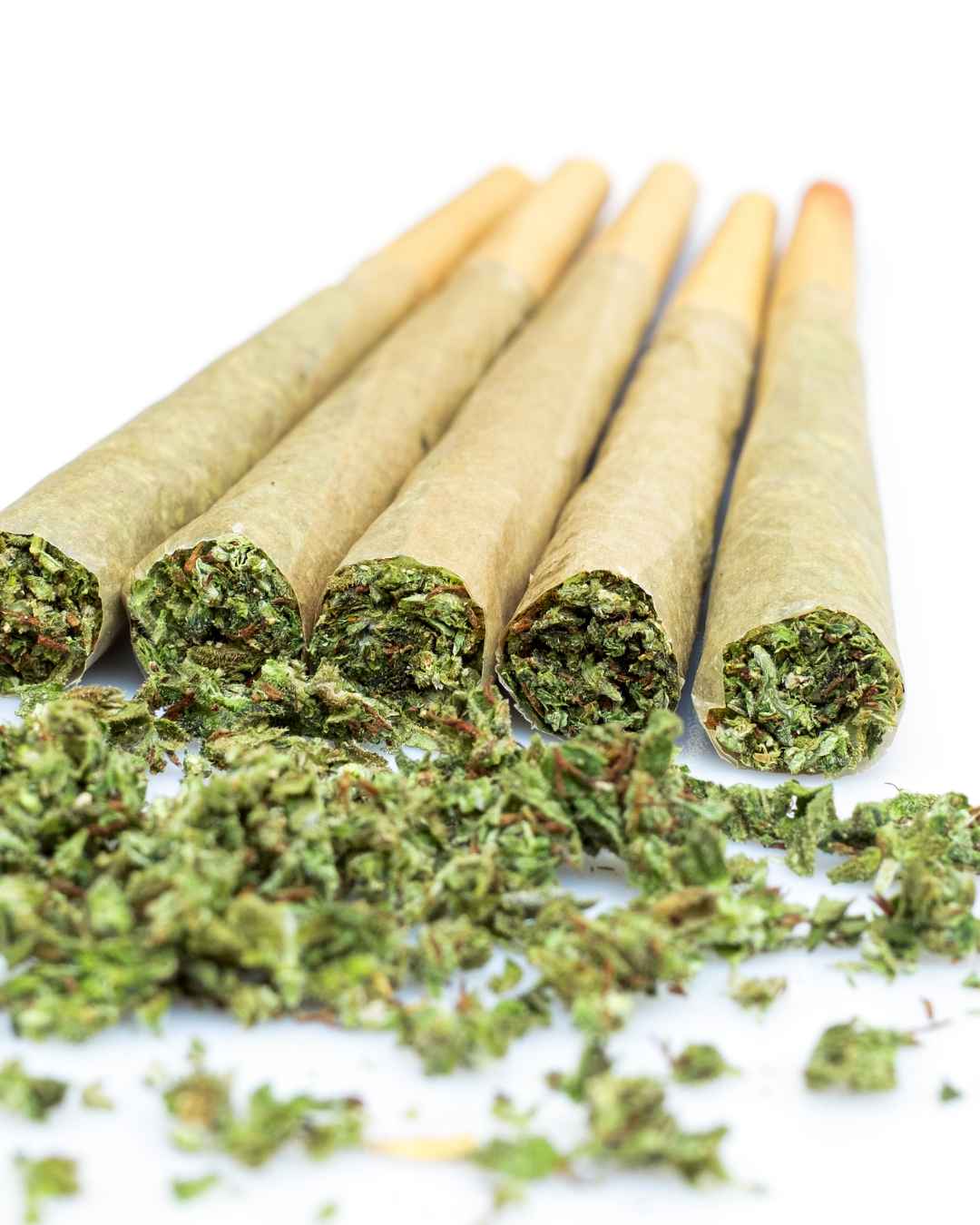
A simple way to track your tolerance is through cognitive function and consumption patterns. If two hits of a joint used to get you where you wanted to be but now requires an entire joint, your tolerance has increased. If you find yourself consuming more frequently or reaching for higher-potency products to feel effects, these are clear signs of tolerance buildup.
Starting Right: Cannabis Products for Low Tolerance Users
If you’re new to cannabis, starting with the right products prevents overwhelming experiences and helps you build a positive relationship with the plant. New users should begin with products containing 5-10% THC or lower, allowing you to gauge your body’s response without intense psychoactive effects.
For edibles, start with 2.5-5mg of THC. Edibles produce stronger, longer-lasting effects than inhaled products because THC is metabolized into 11-hydroxy-THC in the liver, which is more potent and crosses the blood-brain barrier more efficiently. Always wait at least two hours before consuming more, as edible effects can take 30-90 minutes to fully manifest.
Flower with balanced THC:CBD ratios offers another excellent starting point for beginners. Products with 1:1 ratios or higher CBD content provide gentle therapeutic effects while CBD mitigates THC’s potential to cause anxiety. CBD is non-intoxicating and works through different mechanisms than THC, offering anxiolytic and anti-inflammatory benefits that create a more comfortable experience for new users.
Low-dose vaporizers give beginners precise control over consumption. Vaping allows you to take small amounts, wait 15-30 minutes to assess effects, and adjust accordingly. This method provides faster onset than edibles but with more control than smoking, making it ideal for finding your optimal dose.
Avoid high-potency concentrates, dabs, and products above 15% THC initially. These products can produce intense effects that might trigger anxiety or paranoia in users without tolerance. Building your experience gradually with lower-potency options helps you understand how cannabis affects you personally before exploring stronger products.
Understanding THC and CBD Ratios for Beginners
THC and CBD are the two most abundant cannabinoids in cannabis, and they shape your experience by interacting differently with your endocannabinoid system. THC binds to CB1 receptors in your brain to produce psychoactive and analgesic effects, while CBD exerts modulatory effects across serotonin receptors and enzyme systems without causing intoxication.
For anxiety-prone beginners, high-CBD, low-THC formulations provide therapeutic benefits without overwhelming psychoactivity. Ratios like 20:1 CBD:THC deliver anti-inflammatory and anxiolytic effects while minimizing intoxication. If you want mild psychoactivity with balanced effects, 1:1 THC:CBD products offer analgesia with moderated euphoria, as CBD counteracts some of THC’s anxiogenic potential.
As you build comfort and tolerance, you can gradually explore products with higher THC content. The key is increasing slowly over weeks, not days, allowing your endocannabinoid system to adapt gradually and helping you identify your sweet spot without negative experiences.
Choosing Products for Moderate Tolerance Levels
Moderate tolerance users have more flexibility in product selection. Your endocannabinoid system has adapted to occasional THC exposure, allowing you to explore a wider range of potencies and consumption methods while still experiencing full effects from standard-strength products.
Flower in the 10-20% THC range typically works well for moderate tolerance users. At this level, you can explore different strains and terpene profiles to find what works best for your specific needs. Premium cannabis flower options allow you to compare strains with varying cannabinoid and terpene compositions to match your wellness goals.
Edibles between 5-15mg THC per dose provide reliable effects for moderate users. You’ve likely established how your body metabolizes edibles, making it easier to predict onset and duration. Consider trying different edible formats—gummies, chocolates, tinctures—to find what fits your lifestyle and provides the most consistent experience.
Standard vape cartridges offer convenience and discretion for moderate tolerance users. Products with clearly labeled potency and third-party testing ensure you know exactly what you’re consuming. Exploring different vaporizers and cannabis vape products helps you find devices that match your preferred experience.
This tolerance level is also ideal for exploring terpene-driven experiences. Rather than chasing higher THC percentages, focus on terpene profiles that align with your goals. Strains high in myrcene promote relaxation and sedation, while limonene-dominant products offer mood elevation. Pinene may enhance alertness and focus, making it excellent for daytime use.
Managing Tolerance Creep at Moderate Levels
Even moderate users can experience tolerance creep if consumption patterns change. Spacing out usage rather than consuming daily helps prevent rapid tolerance buildup. If you notice effects weakening, consider taking a short tolerance break of 2-7 days to allow CB1 receptor sensitivity to increase.
Rotating product types prevents your endocannabinoid system from adapting to any single consumption pattern. Alternate between flower, edibles, and vapes throughout the week. This variation keeps experiences fresh while naturally moderating tolerance development.
High Tolerance: Exploring Potent Cannabis Products Safely
High tolerance users require stronger products to achieve desired effects, but potency should always be balanced with safety and awareness. If you’re consuming daily or multiple times per day, your CB1 receptors have significantly downregulated, and you’ll need products in higher THC ranges to feel effects.
For flower, strains in the 20-30% THC range typically work for high tolerance users. However, don’t overlook the importance of terpenes even at this level. Full-spectrum flower with robust terpene profiles often provides more satisfying experiences than high-THC products with minimal terpene content due to the entourage effect, where cannabinoids and terpenes work synergistically.
Cannabis concentrates offer the highest potency options, typically containing 70-90% THC. Live resin preserves terpenes through flash-freezing fresh flower before extraction, resulting in rich flavor profiles and enhanced entourage effects. Live rosin represents the cleanest full-spectrum concentrate, extracted without solvents for those prioritizing purity.
Hash provides a traditional concentrated form sitting around 40-60% THC. It can be added to flower for enhanced potency or dabbed depending on quality. Many infused pre-rolls contain hash, offering a convenient way to experience this concentrate.
THCA diamond powder delivers pure crystallized THCA at extremely high potency levels. While not full-spectrum like other concentrates, it provides intense effects for users with significant tolerance. You can explore potency differences through various cannabis concentrates to find what matches your needs.
Rick Simpson Oil (RSO) was developed specifically for serious pain relief and therapeutic use. This full-spectrum extract is designed for oral consumption and provides intense mind and body effects, making it more suitable for medical applications than recreational use.
Consuming High-Potency Products Safely
Dabbing remains the most common consumption method for concentrates, requiring a dab rig and involving inhaling vaporized concentrate. Dabbing offers cleaner consumption than smoking because vaporization reduces harmful combustion byproducts. The onset occurs within 5-15 minutes, allowing you to gauge effects relatively quickly.
You can also add concentrates to flower when smoking or vaping, though this method still produces combustion byproducts. Vapes and edibles made with live resin or rosin provide full-spectrum effects in convenient formats, though with less temperature control than dabbing.
The primary risk with high-potency products is overwhelming intensity, especially if your tolerance isn’t as high as you thought. Intense, rapid onset can trigger anxiety or paranoia. If you find yourself uncomfortable after consuming too much, stay hydrated, place yourself in a safe and comfortable environment, and focus on calming activities. Remember that the effects are temporary and will pass. If panic persists without resolution, don’t hesitate to seek medical attention.
High-potency products accelerate tolerance development even further. Be mindful of consumption frequency and consider strategic tolerance breaks to maintain effectiveness and reduce the amount needed for desired effects.
Using Terpenes to Guide Product Selection
Terpenes are aromatic compounds that give cannabis its distinct scents and flavors while contributing to therapeutic effects. Understanding terpene profiles helps you choose products based on desired outcomes rather than simply chasing THC percentages.
Myrcene, the most common cannabis terpene, promotes relaxation and sedation. Strains high in myrcene work well for evening use, pain relief, and sleep support. Myrcene may increase cell membrane fluidity and modulate neurotransmission to produce muscle relaxation and a sense of physical heaviness.
Limonene offers mood elevation and potential anxiolytic effects through serotonergic pathways. This citrus-scented terpene appears in uplifting strains suitable for daytime use, social situations, and creative activities. Research suggests limonene may help counteract THC-induced anxiety in some users.
Caryophyllene provides anti-inflammatory and analgesic benefits by activating CB2 receptors, which are primarily found outside the brain in immune tissues. This spicy, peppery terpene offers therapeutic effects without psychoactivity, making it valuable for pain management and inflammation.
Pinene promotes alertness and may enhance focus by inhibiting acetylcholinesterase, preserving acetylcholine levels that support memory and attention. This forest-scented terpene appears in energizing strains and may help counteract some of THC’s short-term memory effects.
Linalool exerts anxiolytic properties through GABAergic modulation, creating calming effects similar to some anxiety medications. This floral terpene appears in strains used for stress relief and sleep support.
When reviewing product lab reports, look for total terpene percentages and specific terpene breakdowns. Products with 2% or higher total terpenes typically provide more pronounced aromatic and therapeutic experiences. Combining terpene awareness with THC:CBD ratios gives you a comprehensive framework for product selection.
Matching Cannabis Products to Specific Goals
Your tolerance level intersects with your wellness goals to determine ideal product selection. Different conditions and desired effects benefit from specific cannabinoid ratios, terpene profiles, and consumption methods.
For anxiety relief, CBD-dominant products or balanced 1:1 THC:CBD ratios work best across all tolerance levels. Terpenes like linalool, limonene, and myrcene support anxiolytic effects. Start with low THC content even if you have moderate tolerance, as anxiety can be exacerbated by high THC doses. Tinctures and edibles provide longer-lasting relief than inhaled products.
Pain management benefits from balanced cannabinoid ratios with terpenes like myrcene, caryophyllene, and pinene. Moderate to high tolerance users might explore topicals for localized pain alongside systemic products. For chronic pain, sustained-release products like edibles or RSO provide extended relief between doses.
Sleep support requires sedative terpene profiles, particularly myrcene and linalool, often found in indica-leaning cultivars. Higher tolerance users might combine flower with a small dose of edible an hour before bed for both immediate and sustained effects throughout the night. Lower tolerance users should start with CBD-inclusive formulations to avoid next-day grogginess.
For creativity and focus, low to moderate THC doses work better than high doses regardless of tolerance. Sativa-leaning strains with limonene and pinene support alertness without sedation. Micro-dosing—consuming very small amounts throughout the day—helps high-tolerance users find functional doses that enhance rather than impair cognitive tasks.
Depression and mood support benefit from uplifting terpenes like limonene combined with moderate THC levels. The entourage effect appears particularly important for mood applications, making full-spectrum products preferable to THC isolates.
Strategic Tolerance Management for Long-Term Use
Maintaining an effective relationship with cannabis over time requires actively managing tolerance rather than simply consuming more product as effects diminish. Strategic approaches help you preserve therapeutic benefits while minimizing consumption and costs.
Tolerance breaks remain the most effective reset strategy. Complete abstinence for 2-7 days works for low to moderate users, with tolerance beginning to reset as CB1 receptor availability increases. Heavy users benefit from 21-28 day breaks for full CB1 receptor recovery. Studies show that tolerance completely resets after 28 days of abstinence.
For heavy users, tapering gradually before a tolerance break makes the process more manageable. Reduce consumption by 25% each week leading up to your break, allowing your body to adjust incrementally rather than experiencing abrupt withdrawal symptoms.
Product rotation prevents your endocannabinoid system from adapting to any single consumption pattern. Cycle through different strains, consumption methods, and cannabinoid ratios weekly. Spend a week with sativa-dominant strains, then switch to indicas, then hybrids. Alternate between flower, edibles, and vapes to vary how cannabinoids enter your system.
Exploring minor cannabinoids helps overcome THC tolerance through different mechanisms. CBN, an oxidized THC metabolite with sedative properties, has no cross-tolerance with THC. Combining 10mg THC with 10mg CBN might produce stronger effects than 20mg THC alone for users with high THC tolerance.
CBG acts as a CB1 receptor antagonist, potentially limiting THC’s psychoactive effects while providing clear-headed energy. THCV similarly antagonizes CB1 receptors and shows minimal cross-tolerance with THC, offering a way to reset tolerance while still consuming cannabis.
Emphasizing full-spectrum products supports the entourage effect, where cannabinoids and terpenes work synergistically. Research demonstrates that whole-plant cannabis extract with CBD shows considerably better pain relief than THC-dominant extract alone. Full-spectrum products provide therapeutic benefits through multiple mechanisms rather than overwhelming CB1 receptors with isolated THC.
Lifestyle Factors That Support Tolerance Management
Exercise accelerates cannabinoid metabolism, helping clear THC from your system during tolerance breaks and potentially moderating tolerance development during active use. Regular physical activity also supports endocannabinoid system health through natural endocannabinoid production.
Omega-3 fatty acids support CB1 receptor function, as deficiency impairs receptor activity. Including omega-3-rich foods or supplements in your diet may help maintain receptor sensitivity even with regular