Walk into a smoke shop and you might see “Delta 8” products next to gas station snacks. Walk into a licensed dispensary and you’ll find Delta 9 flowers, vapes, and edibles behind the counter, lab tested and clearly labeled. Both are forms of THC, both can get you high, and the similar names make them easy to confuse. But the two compounds are chemically distinct, legally treated very differently, and produce noticeably different experiences.
What Is Delta 9 THC?
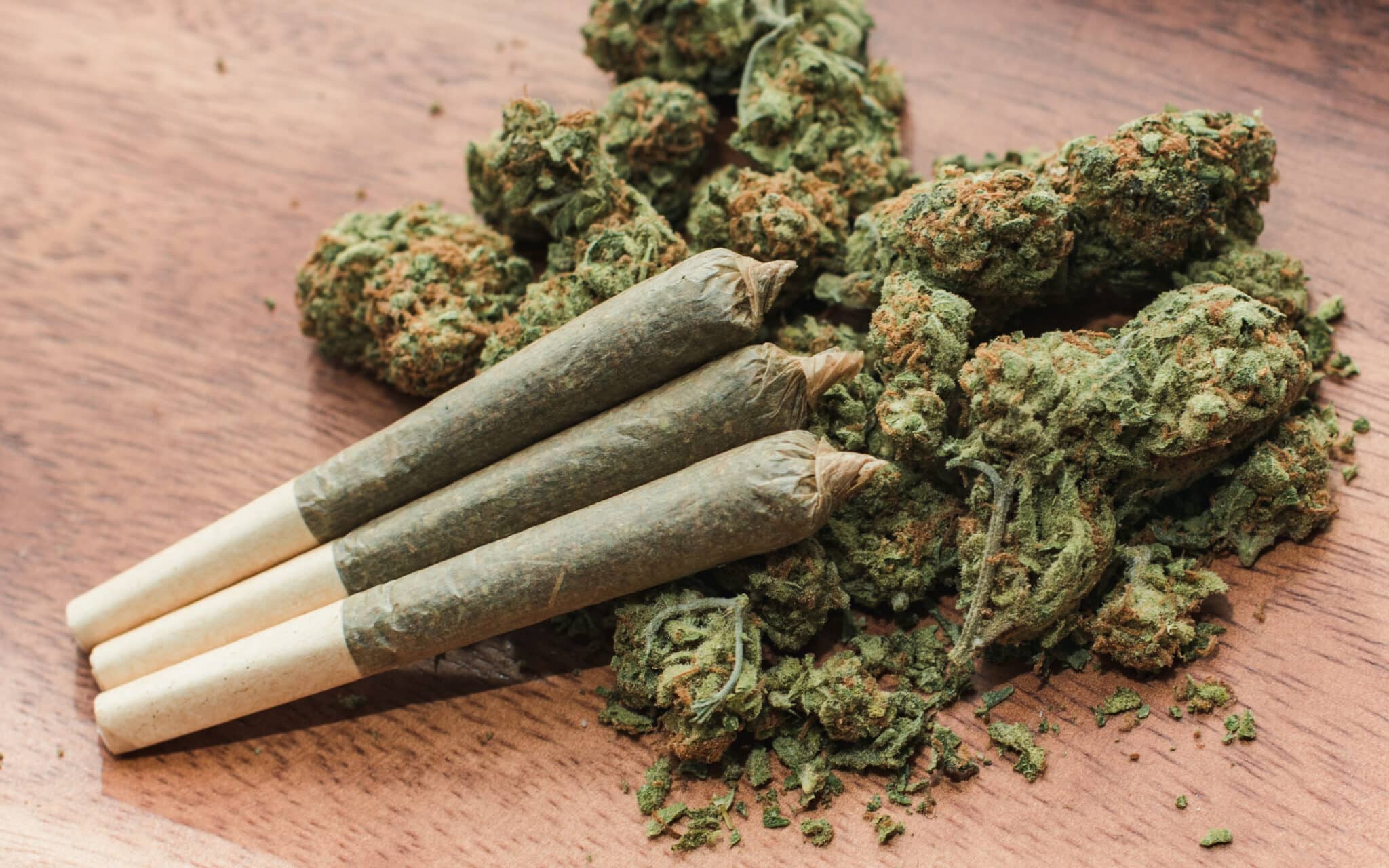
Delta 9 THC (delta-9-tetrahydrocannabinol) is the primary psychoactive compound in cannabis, and the one almost all cannabis research, cultivation, and regulation is built around. It’s what naturally forms in cannabis flowers once THCA converts through heat, and it’s the compound responsible for the classic cannabis high: euphoria, relaxation, altered sensory perception, and increased appetite. When people talk about “THC” without specifying which type, they mean Delta 9.
Delta 9 THC is the primary cannabinoid regulated under state cannabis programs. In New Jersey, licensed dispensaries like NJ Pure sell Delta 9 flower, vapes, edibles, and concentrates that have gone through mandatory lab testing for potency and contaminants.
What Is Delta 8 THC?
Delta 8 THC is a different cannabinoid, an isomer of Delta 9, meaning it shares the same chemical formula but has a slightly different molecular structure. Specifically, the two compounds differ in where a particular double bond sits along their carbon chain: on the ninth carbon for Delta 9, and on the eighth for Delta 8. That one-position difference changes how the molecule binds to the body’s cannabinoid receptors, which is why the two produce noticeably different effects even though they’re close chemical relatives.
Delta 8 occurs naturally in cannabis, but only in trace amounts, far too little to extract efficiently. Nearly all Delta 8 products on the market are synthesized in a lab from CBD derived from hemp, using a chemical conversion process rather than being extracted directly from the plant.
How the Effects Compare
Delta 9 THC produces a stronger, more intense high. It tends to hit faster (especially when smoked or vaped) and can bring on more pronounced euphoria, but also carries a higher risk of anxiety or paranoia at higher doses, particularly for people with lower tolerance.
Delta 8 THC is generally described as producing a milder, smoother high, often compared to about half the potency of Delta 9. Many users report feeling more clear headed and less anxious on Delta 8, which is part of why it built a following among people who found Delta 9 too intense. That said, “milder” doesn’t mean “risk free.” Delta 8 still produces genuine intoxicating effects and impairs coordination and reaction time the same way Delta 9 does.
Legal Status: Where It Gets Complicated
Delta 9 THC from cannabis flower is regulated as cannabis. In New Jersey, it’s legal for adults 21 and older to purchase from licensed, state-regulated dispensaries, with every product tested for potency and contaminants before it reaches the shelf.
Delta 8 occupies a much murkier legal position. Because it’s typically synthesized from hemp-derived CBD, some sellers argue it falls under the 2018 Farm Bill’s definition of legal hemp (cannabis containing no more than 0.3% Delta 9 THC by dry weight), even though the final product is intoxicating. This interpretation has not been consistently accepted: several states have restricted or banned Delta 8 outright, and federal regulators have signaled ongoing scrutiny of the loophole. Because Delta 8 products sold outside licensed dispensaries are often unregulated, quality and purity can vary significantly from one brand to another, with little to no mandatory testing for the synthesis byproducts that can result from the conversion process.
Quality Control: A Real Difference, Not Just a Legal One
This is one of the most important practical differences between the two. Delta 9 products sold at a licensed New Jersey dispensary are required to pass state lab testing for potency, pesticides, heavy metals, and microbial contaminants before they can be sold. Delta 8 products sold online or in unregulated retail settings often have no such requirement, and independent testing has repeatedly found inconsistent potency claims and residual solvents in some unregulated Delta 8 products on the market. Buying Delta 9 from a licensed dispensary removes this uncertainty; buying Delta 8 from an unregulated source means trusting a manufacturer with no external oversight of what’s actually in the product.
Which Should You Choose?
If you want a reliably tested, clearly labeled product with an experience that’s well understood and well documented, Delta 9 THC from a licensed dispensary is the more consistent choice. The compound cannabis research and cultivation are built around, and the one dispensary staff are trained to guide you through by strain, potency, and consumption method.
If you’re specifically looking for a milder experience and are considering Delta 8, treat it the same way you would any product without full regulatory oversight: look closely for third-party lab testing, check the source, and be conservative with dosing, especially the first time. Many people find they can get a similarly mild experience from low-dose Delta 9 products (a small microdose gummy, for example) with the added benefit of buying from a source that’s actually required to test what it sells.
The Bottom Line
Delta 9 and Delta 8 THC are close chemical relatives with real differences in potency, effects, and above all, regulation. Delta 9 is the compound cannabis science and state cannabis programs are built around, tested and sold through licensed dispensaries. Delta 8 is typically a lab-synthesized hemp derivative operating in a much less regulated space, milder for many users, but with far less consistency and oversight. Understanding that distinction helps you make a more informed choice, whichever one you’re after.
FAQs
Is Delta 8 weaker than Delta 9? Generally, yes. Most users describe Delta 8 as producing a milder, smoother high, often estimated at roughly half the potency of Delta 9, though individual experiences vary and Delta 8 is still genuinely intoxicating.
Is Delta 8 legal in New Jersey? Delta 8’s legal status varies by state and has been actively contested and revised in many places. Because of that shifting landscape and the lack of consistent regulation for hemp-derived Delta 8 products, buying Delta 9 THC from a licensed, tested New Jersey dispensary is the more reliable and consistently regulated option.
Does Delta 8 show up on a drug test? Yes. Standard drug tests detect THC metabolites broadly and are not designed to distinguish between Delta 8 and Delta 9. Using either will typically result in a positive THC test.
Why is Delta 8 usually made in a lab instead of extracted from the plant? Cannabis produces only trace amounts of Delta 8 naturally, far too little to extract efficiently. Most Delta 8 on the market is synthesized from hemp-derived CBD through a chemical conversion process rather than harvested directly from the plant.
Is Delta 8 safer than Delta 9 because it’s milder? Not necessarily. Milder effects don’t equal fewer risks. Because much of the Delta 8 market operates with limited regulatory oversight, quality and purity can vary significantly between products, which is its own separate risk that has little to do with potency.
Can I buy Delta 9 products at NJ Pure? Yes. NJ Pure is a licensed New Jersey dispensary offering lab-tested Delta 9 THC flower, vapes, edibles, and concentrates, with staff on hand to help you choose based on your experience level and what you’re looking for.