Understanding Cannabis Microdosing: The Science of Less is More
Cannabis microdosing has emerged as a sophisticated approach to cannabis consumption that challenges the traditional notion that higher doses produce better results. This controlled method involves consuming minimal amounts of cannabis—typically between 1-5mg of THC—to achieve therapeutic benefits without the intense psychoactive effects that can interfere with daily activities. For those seeking relief from anxiety, chronic pain, or sleep disturbances while maintaining full cognitive function, microdosing offers a promising alternative to conventional cannabis use.
The foundation of microdosing lies in understanding how the endocannabinoid system responds to cannabinoids. Rather than overwhelming this delicate system with high doses, microdosing works by providing just enough cannabinoids to kickstart your body’s natural endocannabinoid production. Think of it as priming a pump rather than flooding it—you’re encouraging your system to regulate itself more effectively.
The Optimal Starting Point for Your Microdosing Protocol
Beginning your microdosing journey requires patience and careful attention to your body’s responses. Most cannabis medicine specialists recommend starting with 1-2.5mg of THC, particularly if you’re new to cannabis or have a low tolerance. This conservative approach allows you to establish a baseline and assess how your body responds without risking unwanted side effects.
The key principle, according to leading osteopathic physicians specializing in cannabis medicine, is to find “the dose that gives the most minimal noticeable effect.” This might sound counterintuitive, but research consistently shows that the therapeutic sweet spot for many conditions occurs at doses far lower than what most people expect.
Once you’ve established your starting dose, maintain it for at least three days before making any adjustments. This waiting period is crucial because it allows your endocannabinoid system to stabilize and gives you a clear picture of the dose’s effects. If you decide to increase, do so in small increments of 0.5-1mg, waiting another three to four days before considering further adjustments.
Finding Your Personal Therapeutic Window
Your ideal microdose depends on several individual factors including body weight, metabolism, previous cannabis exposure, and your specific therapeutic goals. Someone seeking anxiety relief might find their optimal dose at 2mg, while another person managing chronic pain might need 3.5mg. This variability underscores the importance of keeping a detailed journal during your initial weeks of microdosing.
Track the time of day you dose, the exact amount consumed, your activities, mood, pain levels, sleep quality, and any side effects. This data becomes invaluable for identifying patterns and refining your protocol. Many successful microdosers report that their optimal dose is actually lower than they initially anticipated.
Selecting the Right Products and Delivery Methods
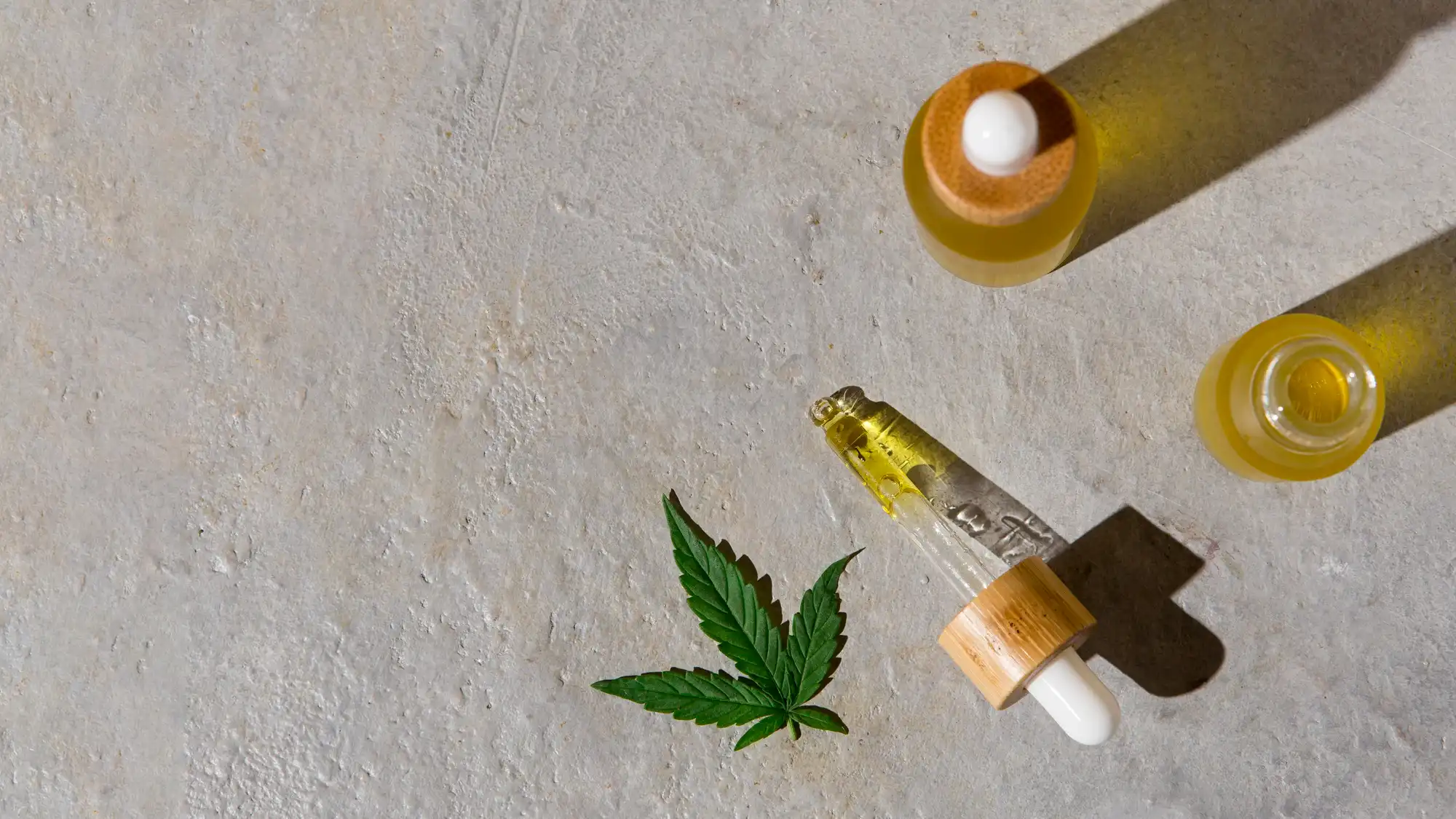
Not all cannabis products are created equal when it comes to microdosing. The most successful protocols typically rely on products that offer precise, consistent dosing. Tinctures and oils rank among the top choices because they allow for exact measurements using a calibrated dropper. Look for products with clear labeling that indicates the THC content per milliliter, ideally in the 5mg/mL range or lower for easier microdosing.
Low-dose edibles represent another excellent option, particularly those specifically formulated for microdosing with 2.5mg or less per serving. These products eliminate the guesswork and provide consistent experiences. Capsules offer similar benefits but may take longer to produce effects due to digestion time.
While vaping and smoking cannabis are possible for microdosing, they present challenges for maintaining consistent dosing. A single inhalation can deliver varying amounts of cannabinoids depending on depth of breath, hold time, and the potency of the product. If you prefer inhalation methods, consider taking a single small puff and waiting 15-30 minutes before deciding whether to take another.
The Importance of Lab-Tested Products
One of the biggest obstacles to successful microdosing is inconsistent product labeling. Without standardized testing and regulation in many markets, the actual THC content can vary significantly from what’s listed on the package. Always purchase from licensed dispensaries that provide lab testing results, ensuring you’re getting accurately dosed products. This consistency is essential for developing an effective protocol.
Establishing Your Dosing Schedule for Maximum Effectiveness
Consistency forms the backbone of successful cannabis microdosing. Most effective protocols involve dosing 2-3 times daily at regular intervals—commonly morning, afternoon, and evening. This schedule maintains steady cannabinoid levels in your system throughout the day, providing sustained therapeutic benefits.
A popular approach is the “5 days on, 2 days off” cycle. This rhythm helps prevent tolerance buildup, which can diminish the effectiveness of your microdose over time. During your two rest days, your cannabinoid receptors have an opportunity to reset, maintaining your sensitivity to lower doses. Some users prefer a “6 days on, 1 day off” schedule, while others microdose continuously and take periodic week-long breaks every few months.
The timing of your doses should align with your therapeutic goals. If you’re addressing morning anxiety, your first dose might be taken shortly after waking. For sleep support, an evening dose 1-2 hours before bed often works best. Many users find that splitting their daily dose—for example, 1mg in the morning, 1mg at lunch, and 2mg in the evening—provides the most balanced effects throughout the day.
Microdosing THC vs. CBD: Understanding the Differences
While both THC and CBD offer therapeutic benefits, they work differently in your body and require distinct microdosing approaches. THC microdosing uses sub-psychoactive doses (1-5mg) to provide effects like pain relief, mood enhancement, and improved focus without intoxication. CBD, being non-intoxicating, is typically microdosed at higher amounts—generally 5-25mg—since it doesn’t produce psychoactive effects and works through different mechanisms on the endocannabinoid system.
Many experienced microdosers find that combining THC and CBD produces the most balanced and effective results. A 1:1 ratio often provides therapeutic benefits while minimizing any unwanted psychoactive effects. Starting with 1mg of each and gradually increasing in equal increments allows you to find your optimal combination. The CBD can actually modulate THC’s psychoactive effects, providing a safety buffer while enhancing the therapeutic benefits.
CBD microdosing particularly shines for managing anxiety, inflammation, and general wellness support. Because it doesn’t produce intoxication, you can experiment more freely with dosing without concern about impairment. Some users take 5-10mg of CBD multiple times throughout the day for sustained anxiety relief, while others use 15-25mg doses for more acute situations.
Conditions That Respond Particularly Well to Microdosing
Research and anecdotal evidence suggest that certain conditions respond exceptionally well to cannabis microdosing, often better than they do to higher doses. Anxiety and depression top this list, as higher doses can sometimes paradoxically increase anxiety or produce unwanted sedation. Low doses of THC have been shown to modulate serotonin and dopamine release, promoting relaxation and mood enhancement without the paranoia that occasionally accompanies larger amounts.
Chronic pain management represents another area where microdosing excels. A groundbreaking study with cancer patients unresponsive to traditional pain medications found that the lowest dose group experienced the greatest pain reduction, while higher doses actually worsened pain. This counterintuitive finding highlights how cannabis doesn’t follow the typical “more is better” pharmaceutical model.
PTSD symptoms, including nightmares, hyperarousal, and intrusive thoughts, have shown improvement with THC microdosing in clinical studies. Patients receiving just 5mg of THC twice daily experienced statistically significant improvements across multiple symptom categories. The low doses allowed benefits without the cognitive impairment that might occur with higher amounts.
Cognitive Function and Creativity Enhancement
One of the most exciting applications of cannabis microdosing involves cognitive enhancement and creativity. While high doses of THC typically impair memory and focus, microdoses appear to support divergent thinking—the kind of creative problem-solving that generates novel ideas and connections. Artists, writers, and professionals increasingly report using microdosing to access enhanced creative states while maintaining the mental clarity needed to execute their ideas.
Small doses may support neuroplasticity, your brain’s ability to form new neural connections, potentially offering neuroprotective benefits for age-related cognitive decline. Early research suggests that low-dose THC might help protect against neurodegenerative conditions like Alzheimer’s and Parkinson’s disease, though more research is needed in this area.
Navigating Potential Challenges and Side Effects
While microdosing cannabis is generally well-tolerated, it’s not without potential challenges. The most common issue users face is finding their optimal dose, which requires patience and experimentation. Some people accidentally increase their dose too quickly, leading to mild unwanted effects like slight dizziness, dry mouth, or subtle cognitive fog. If this happens, simply reduce your dose and proceed more gradually.
Tolerance development remains possible even with microdosing, though it occurs more slowly than with higher doses. This is why the regular rest days in your protocol are so important. If you notice your microdose becoming less effective, consider taking a tolerance break of 48-72 hours (or longer) to reset your endocannabinoid system.
Product inconsistency poses a real-world challenge, particularly in markets without strict testing requirements. The solution is to stick with reputable, licensed sources and, once you find products that work well, to remain consistent with those brands. Switching products frequently can make it difficult to maintain a stable protocol.
Who Should Approach Microdosing with Caution
While cannabis microdosing offers benefits for many people, certain individuals should exercise additional caution or avoid it entirely. Those with a history of cannabis use disorder or other substance use issues may find that even microdosing triggers problematic patterns. Similarly, individuals prone to severe anxiety, paranoia, or psychosis should be extremely cautious, as even small amounts of THC can occasionally exacerbate these conditions.
Pregnant or breastfeeding women should avoid cannabis in any amount, as cannabinoids can cross the placental barrier and enter breast milk. People with heart conditions should consult their physicians before microdosing, as THC can affect heart rate and blood pressure, even at low doses.
If you’re subject to workplace drug testing, be aware that even microdosing will likely result in positive THC tests. Additionally, certain medications may interact with cannabinoids, so always discuss your microdosing plans with your healthcare provider if you’re taking prescription medications, particularly blood thinners, sedatives, or medications metabolized by the liver.
Advanced Microdosing Strategies for Experienced Users
Once you’ve mastered basic microdosing, you can explore more sophisticated approaches. Strain-specific microdosing involves selecting cannabis products based on their terpene profiles and cannabinoid ratios for targeted effects. For instance, strains high in the terpene limonene might enhance mood and energy, making them ideal for daytime microdosing, while strains rich in linalool and myrcene may promote relaxation for evening use.
Cycling different cannabinoid ratios can prevent tolerance to any single formulation while providing varied therapeutic benefits. You might microdose a balanced THC:CBD product during the workweek, switch to a CBD-dominant formula on weekends, and occasionally incorporate CBG (cannabigerol) or CBN (cannabinol) products for their unique properties.
Some advanced users implement “tolerance reset protocols” recommended by cannabis physicians, which involve a complete two-day abstinence period before beginning or restarting a microdosing regimen. This reset can significantly enhance your sensitivity to lower doses and improve overall effectiveness.
Tracking Your Progress and Optimizing Your Protocol
The difference between successful and unsuccessful microdosing often comes down to how well you track and analyze your experience. Create a simple daily log that includes your dose amount and timing, the product used, your activities, stress levels, pain ratings, mood, sleep quality, and any notable effects or side effects. After a few weeks, patterns will emerge that guide your optimization efforts.
Digital apps designed for cannabis tracking can simplify this process, offering reminders for dosing times and easy visualization of trends. However, a simple notebook works just as well if you prefer an analog approach. The key is consistency in tracking—missing days can leave gaps in your data that make it harder to identify what’s working.
Review your journal weekly to assess whether your current protocol is meeting your goals. Are you experiencing the desired relief? Are there times of day when effects seem stronger or weaker? Do certain activities or foods seem to influence your response? This information allows you to make informed adjustments rather than guessing.
Frequently Asked Questions
What is the recommended starting dose for cannabis microdosing?
Most experts recommend starting with 1-2.5mg of THC for microdosing cannabis. This low dose allows you to assess tolerance and effects without overwhelming psychoactive experiences. Begin with the lowest dose and wait at least 2 hours before considering an increase. For edibles and tinctures, wait even longer—up to 4 hours—as these products take more time to reach peak effects through digestion and metabolism.
How often should I microdose cannabis for best results?
A typical cannabis microdosing protocol involves dosing 2-3 times daily, with consistent timing such as morning, afternoon, and evening. Many users follow a schedule of 5 days on, 2 days off to prevent tolerance buildup and maintain effectiveness. The rest days are essential for allowing your cannabinoid receptors to reset, ensuring that your microdose remains effective over time without requiring dose increases.
What’s the difference between microdosing THC and CBD?
THC microdosing uses sub-psychoactive doses (1-5mg) to achieve therapeutic effects like pain relief and mood enhancement without intoxication. CBD microdosing typically uses higher doses (5-25mg) since CBD is non-intoxicating and works differently on the endocannabinoid system for anxiety, inflammation, and wellness support. Many users find that combining both cannabinoids in a balanced ratio provides the most comprehensive benefits with minimal side effects.