Cannabis and contemplative practices share ancient roots across multiple cultures. From Indian sadhus smoking hashish during meditation to Rastafarian spiritual ceremonies to modern yoga studios offering cannabis-enhanced classes, the plant has long served as tool for deepening awareness and facilitating introspection.
At NJ Pure in Edgewater Park, we recognize cannabis as more than recreational substance or medical treatment—it’s a wellness tool that, when used intentionally, can complement mindfulness practices, enhance meditation, and support holistic health approaches. Understanding how cannabis affects consciousness, which products and doses support contemplative practices, integration techniques for meditation and yoga, and potential pitfalls empowers you to explore this intersection mindfully and safely.
The Mindfulness-Cannabis Connection
Mindfulness means present-moment awareness without judgment. Meditation cultivates this awareness through focused attention on breath, body sensations, thoughts, or other anchors. Cannabis affects consciousness in ways that can either support or undermine mindfulness depending on dose, intention, and practice approach.
Enhanced present-moment awareness represents cannabis’s potential benefit for contemplative practice. THC’s psychoactive effects can heighten sensory perception, making you more attuned to subtle bodily sensations, environmental sounds, or breath patterns that serve as meditation anchors. This enhanced awareness allows noticing details typically overlooked in ordinary consciousness.
Reduced mental chatter occurs for many cannabis users. The constant internal dialogue—planning, worrying, remembering, analyzing—quiets under cannabis influence, creating mental space for deeper awareness. This parallels meditation’s goal of observing thoughts without attachment rather than being consumed by thinking.
Time dilation commonly reported with cannabis can deepen meditation by making minutes feel extended, allowing more thorough exploration of contemplative states without clock-watching anxiety. The subjective time expansion lets brief sessions feel substantial.
Ego dissolution at higher doses produces experiences of unity, interconnection, and boundary dissolution between self and environment. While these states can feel spiritually significant, they also risk becoming attachments or distractions from genuine practice.
Cannabis Products for Contemplative Practice
Low-dose edibles (2.5-5mg THC) provide sustained, gentle effects ideal for meditation sessions. The gradual onset and extended duration match longer meditation or yoga sessions better than fast-acting smoking. Consuming 60-90 minutes before practice allows effects to manifest as you settle into contemplation.
CBD-dominant products offer relaxation and anxiety reduction without strong psychoactivity that might prove distracting. A 20:1 or 10:1 CBD:THC ratio provides subtle effects supporting relaxed focus while maintaining clarity. This suits practitioners wanting minimal intoxication while addressing anxiety or physical discomfort that hinders meditation.
Balanced ratios (1:1 THC:CBD) provide middle ground—noticeable consciousness shift without overwhelming intoxication. The CBD moderates THC’s intensity while allowing meaningful altered states conducive to deepened awareness.
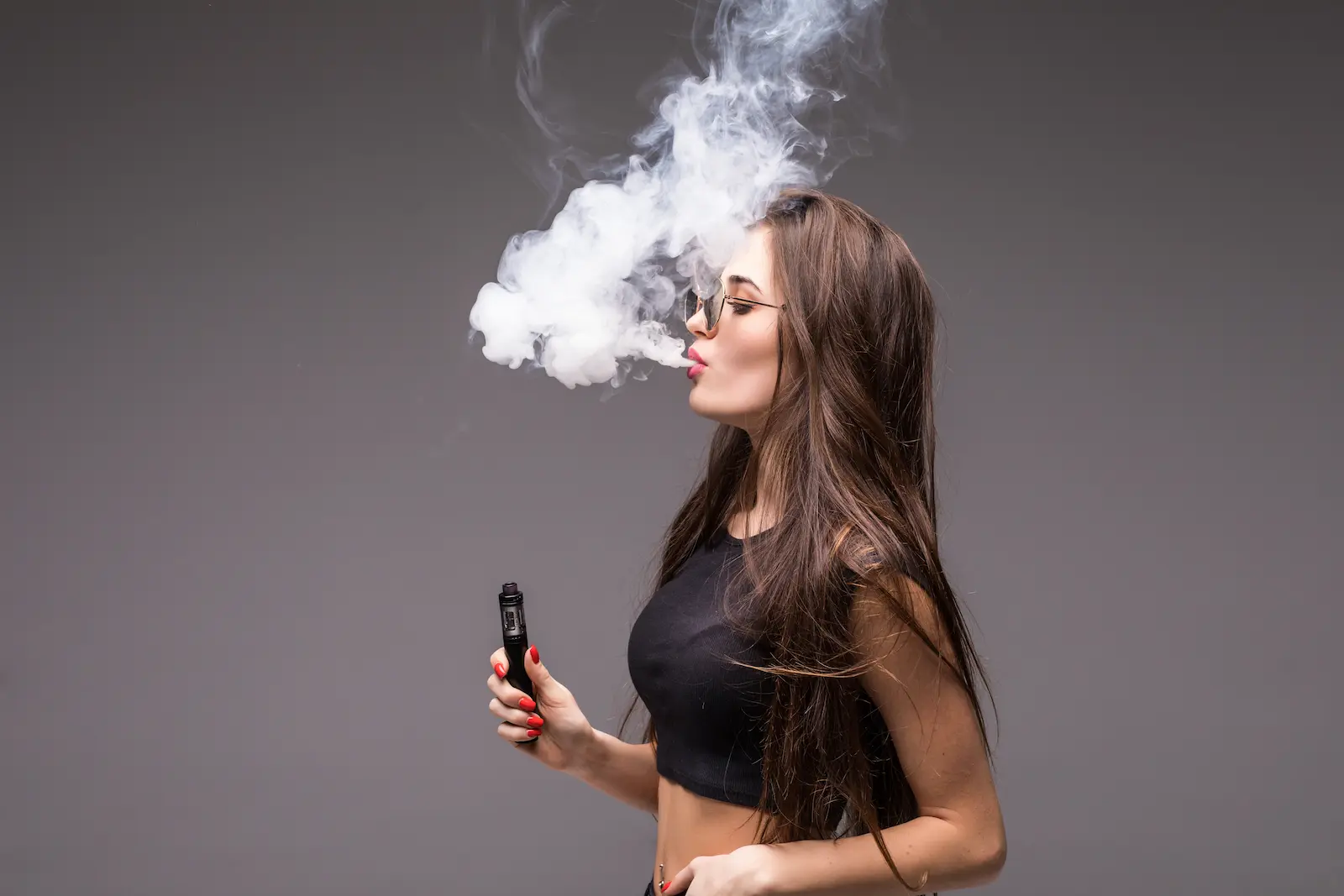
Vaporized flower allows precise dose control and relatively quick onset useful for shorter sessions or dose adjustment during practice. A single small inhalation might suffice for experienced practitioners seeking gentle enhancement without strong intoxication.
Tinctures offer discrete, measured dosing with sublingual absorption faster than edibles but more gradual than inhalation. Placing drops under the tongue 20-30 minutes before meditation provides predictable timing.
Meditation Techniques Enhanced by Cannabis
Breath awareness meditation focuses attention on breathing—inhale, exhale, pauses between. Cannabis heightens bodily awareness, making breath sensations more vivid and easier to track. The enhanced interoception helps beginners maintain focus on this fundamental anchor.
Body scan meditation involves systematically directing attention through body regions, noting sensations without judgment. Cannabis-enhanced bodily awareness makes subtle sensations more accessible, enriching this practice. You might notice tension, warmth, tingling, or other sensations typically below conscious threshold.
Open awareness meditation involves witnessing whatever arises in consciousness—thoughts, sensations, emotions, sounds—without attaching to or resisting any experience. Cannabis’s tendency to amplify mental content and sensory input provides rich material for observation, though it can also overwhelm beginners with excessive stimulation.
Visualization practices benefit from cannabis-enhanced imagination for some practitioners. Guided imagery, chakra visualization, or deity meditation might feel more vivid and immersive under gentle cannabis influence.
Walking meditation combines movement with mindfulness. Cannabis can heighten awareness of foot-ground contact, weight shifts, and movement patterns, deepening kinesthetic meditation. However, it can also impair balance and coordination, requiring careful dose management.
Cannabis-Enhanced Yoga
Gentle, restorative styles like yin yoga, restorative yoga, or gentle hatha pair well with cannabis. The slower pace and extended holds allow savoring enhanced bodily awareness without demanding complex coordination or strength that might suffer under intoxication.
Breathwork (pranayama) integration creates powerful experiences. Cannabis heightens breath awareness while pranayama techniques modulate consciousness, creating synergistic effects. However, some pranayama practices (rapid breathing, breath retention) might feel uncomfortable or anxiety-producing combined with cannabis.
Intention setting before cannabis yoga practice focuses the experience. Rather than simply getting high and stretching, consciously dedicating practice to specific intentions—releasing tension, cultivating gratitude, exploring embodiment—creates meaningful experiences rather than mere recreation.
Dose considerations for yoga require less than meditation since movement demands more coordination and balance. Where meditation might tolerate 10mg edible, yoga might work better with 2.5-5mg. Too much impairs balance and focus, undermining practice.
Setting and Preparation
Create sacred space whether meditating at home or practicing yoga. Clean, uncluttered environment, comfortable temperature, minimal distractions, and perhaps meaningful objects (candles, plants, spiritual imagery) establish intentional atmosphere distinguishing this from casual consumption.
Time allocation accounts for both cannabis onset and practice duration. Allow 60-90 minutes for edible onset before beginning. Plan practice length matching cannabis duration—don’t start ambitious 90-minute session when effects will peak and fade within an hour.
Physical comfort matters more during cannabis meditation because you’ll be more aware of discomfort. Use adequate cushions, supports, or props. Dress comfortably. Attend to bodily needs (bathroom, hydration) before beginning to minimize interruptions.
Digital detox means silencing phones, closing computers, and eliminating electronic distractions. The enhanced awareness cannabis provides makes notifications and alerts more jarring and disruptive.
Potential Pitfalls and Challenges
Distraction rather than focus occurs when cannabis stimulates racing thoughts, anxiety, or sensory overwhelm instead of calm awareness. This typically results from excessive dosing or strains producing paranoia or mental agitation in particular users. Starting very low and increasing gradually helps identify functional doses.
Attachment to altered states becomes problematic when cannabis experiences feel so profound that sober practice seems boring or inadequate. Genuine contemplative development requires accessing awareness in ordinary consciousness, not just drug-induced states. Using cannabis occasionally rather than every session prevents this dependence.
Spiritual bypassing means using cannabis experiences to avoid difficult emotions or psychological work that needs addressing. Feeling temporary unity or bliss doesn’t resolve underlying issues. Cannabis should complement, not replace, therapeutic work when needed.
Physical discomfort sometimes increases rather than decreases under cannabis. Some users report heightened pain awareness or muscle tension despite cannabis’s analgesic reputation. Experimenting with products and doses helps identify what works for your body.
Inconsistent experiences frustrate practitioners seeking reliable enhancement. The same product and dose might produce different effects depending on stress levels, recent meals, sleep quality, or countless other factors. This unpredictability requires flexibility and non-attachment to specific outcomes.
Microdosing for Daily Mindfulness
Microdosing (1-2.5mg THC) throughout the day creates subtle background awareness enhancement without obvious intoxication. This supports informal mindfulness practice—present-moment awareness during daily activities rather than formal seated meditation.
Benefits include reduced anxiety and stress reactivity, enhanced sensory appreciation during routine activities, improved mind-body connection throughout the day, and gentle reminder to slow down and notice rather than operating on autopilot.
Integration into daily life might involve morning microdose supporting mindful breakfast and commute, midday dose maintaining awareness during work stress, or evening dose facilitating transition from work to relaxation. The key is maintaining functionality while subtly shifting consciousness toward presence.
Cultural and Spiritual Traditions
Indian sadhu tradition involves cannabis (hashish/charas) use during meditation and yoga for centuries. Sadhus consider cannabis sacred plant facilitating communion with divine. While Westerners often separate recreational/spiritual cannabis use, this tradition sees the plant as inherently spiritual.
Rastafarian practice incorporates cannabis (ganja) into religious ceremonies and reasoning sessions. The plant is considered sacrament bringing practitioners closer to Jah (God) and facilitating meditation on scripture and life’s meaning.
Indigenous shamanic traditions across the Americas historically used various psychoactive plants, including cannabis where available, as tools for spiritual insight and healing. These traditions emphasize intention, ceremony, and integration rather than casual use.
Modern secular mindfulness increasingly incorporates cannabis despite Buddhism’s traditional fifth precept against intoxicants. Contemporary practitioners distinguish between mindless intoxication and intentional plant medicine use supporting contemplative practice. This remains controversial in traditional meditation communities.
Finding Your Practice
Experimentation discovers what works for your unique consciousness, body, and practice goals. Try different products, doses, meditation techniques, and settings. Journal about experiences, noting what enhanced practice versus what created obstacles.
Consistency matters more than intensity. Regular gentle practice surpasses occasional intense experiences for developing genuine mindfulness capacity. Consider establishing routine—perhaps Sunday evening cannabis meditation or Wednesday morning cannabis yoga—creating structure supporting practice.
Teacher guidance helps navigate challenges. Meditation teachers familiar with cannabis integration (increasingly common) provide valuable perspective. However, many traditional teachers oppose cannabis use, requiring discernment about who to consult.
Community of like-minded practitioners offers support, shared experiences, and accountability. Cannabis yoga studios, meditation groups, or online communities connect people exploring this intersection.
When Cannabis Hinders Rather Than Helps
Recognize warning signs indicating cannabis undermines rather than supports practice:
- Inability to meditate sober feeling like genuine limitation
- Increased anxiety or paranoia during or after cannabis meditation
- Using practice as excuse for consumption rather than genuine contemplation
- Neglecting sober practice in favor of only cannabis-enhanced sessions
- Physical or psychological discomfort that cannabis exacerbates
If these patterns emerge, reduce frequency, lower doses, or discontinue cannabis meditation while continuing sober practice.
Integration and Reflection
Post-practice integration involves reflecting on insights, experiences, or awareness cultivated during cannabis meditation. Journaling captures fleeting realizations before they fade. Discussing experiences with trusted friends or teachers provides perspective.
Behavioral application means bringing enhanced awareness from practice into daily life. Did meditation reveal tension patterns? Address them through stress reduction. Did practice illuminate priorities? Adjust lifestyle accordingly. Insights without action remain mere entertainment.
Patience with process acknowledges that contemplative development unfolds gradually. Cannabis might provide glimpses of profound states, but sustainable transformation requires consistent practice over months and years. Trust the process rather than seeking constant dramatic experiences.
NJ Pure’s Wellness Approach
At NJ Pure, we understand cannabis as wellness tool supporting holistic health approaches including mindfulness and meditation. Our staff can recommend products suitable for contemplative practice based on your experience level and goals.
Educational focus means we provide information about dosing, product selection, and consumption methods specifically for wellness applications rather than just recreational use. We respect diverse intentions consumers bring to cannabis.
Product selection includes low-dose options, CBD-dominant products, and balanced formulations ideal for mindfulness practice. We stock quality edibles, tinctures, and flower suitable for intentional contemplative use.
Community support connects customers exploring wellness applications of cannabis. We’re here to listen, educate, and support your journey whether you’re experienced meditator integrating cannabis or curious beginner exploring both simultaneously.
Conclusion
Cannabis and mindfulness practices can complement each other beautifully when approached intentionally and responsibly. The plant’s consciousness-altering properties support enhanced present-moment awareness, reduced mental chatter, and deepened introspection that serve contemplative development. However, this intersection requires careful navigation—appropriate dosing, suitable products, right intentions, and honest self-assessment about whether cannabis truly supports or undermines practice.
At NJ Pure, we honor cannabis as more than intoxicant—it’s plant medicine with potential to support wellness, self-discovery, and spiritual exploration when used mindfully. Whether you’re established meditation practitioner curious about cannabis or cannabis user wanting to deepen your relationship with the plant through contemplative practice, intentional integration creates opportunities for growth, healing, and expanded awareness that serve your overall wellbeing.