Understanding the Ancient Connection Between Cannabis and Meditation
For thousands of years, contemplative traditions across cultures have explored the relationship between plant medicines and spiritual practice. Today, as both cannabis legalization and mindfulness practices gain mainstream acceptance, many people are rediscovering this ancient synergy. The combination of cannabis and meditation offers a unique opportunity to deepen self-awareness, quiet mental chatter, and access states of consciousness that might otherwise remain elusive.
The intersection of these two practices isn’t simply about getting high and sitting still. Rather, it’s about understanding how cannabis, when used intentionally and mindfully, can serve as a gentle catalyst for the contemplative work that meditation requires. By interacting with your body’s endocannabinoid system, cannabis can help create the mental and physical conditions that make meditation more accessible and profound.
The Science Behind Cannabis and Meditation Synergy
To understand how cannabis enhances meditation, we need to explore the endocannabinoid system—a complex network of receptors throughout your body that regulates mood, memory, pain perception, and stress response. When you consume cannabis, its active compounds interact with this system in ways that can support meditative states.
How Cannabinoids Support Contemplative Practice
THC (tetrahydrocannabinol) and CBD (cannabidiol) are the two primary cannabinoids that influence meditation experiences. THC can amplify sensory perception, making you more attuned to subtle bodily sensations and environmental details—both essential elements of mindful awareness. In small doses, it helps quiet the constant mental chatter that often derails meditation attempts.
CBD, on the other hand, offers profound calming effects without psychoactive intensity. It reduces anxiety and physical tension, two of the biggest obstacles beginners face when establishing a meditation practice. By promoting relaxation without sedation, CBD creates an ideal mental state for sustained focus and introspection.
The Role of Terpenes in Mindfulness
Beyond cannabinoids, cannabis contains aromatic compounds called terpenes that contribute significantly to the meditation experience. Linalool, with its floral scent, promotes relaxation and is particularly beneficial for calming meditation practices. Limonene offers mood-elevating properties perfect for gratitude-focused sessions, while myrcene enhances the overall effects of THC and supports deep relaxation. This “entourage effect”—where cannabinoids and terpenes work synergistically—creates a multi-dimensional experience that can profoundly enhance mindfulness.
Optimal Cannabis Strains for Different Meditation Practices
Not all cannabis strains affect meditation equally. Understanding which strains align with your contemplative goals is essential for creating a beneficial practice.
Best Strains for Beginners
If you’re new to combining cannabis with meditation, balanced strains with equal or higher CBD content are your best starting point. Harlequin offers a gentle 5:2 CBD to THC ratio that provides relaxation and clarity without overwhelming psychoactive effects. ACDC, another CBD-dominant strain, helps reduce anxiety while maintaining mental sharpness. Cannatonic delivers a balanced experience that supports both physical relaxation and mental focus, making it ideal for those establishing their meditation routine.
Strains for Focused Meditation
When your practice involves visualization, mantra repetition, or analytical meditation techniques, sativa-leaning strains can enhance mental clarity and alertness. Blue Dream combines gentle cerebral stimulation with physical relaxation, allowing you to maintain focus without tension. Jack Herer promotes creative thinking and sustained concentration, while Durban Poison offers pure sativa energy for meditation practices requiring high mental acuity.
Strains for Deep Relaxation and Body Awareness
For body scan meditations, breath work, or restorative practices, indica strains create the deep relaxation necessary for profound inner exploration. Granddaddy Purple induces full-body relaxation while maintaining enough mental clarity for awareness. Northern Lights helps release physical tension and quiets the mind, making it excellent for evening meditation sessions or practices focused on stress relief.
Practical Techniques for Integrating Cannabis into Your Practice
Successfully combining cannabis and meditation requires intentionality, preparation, and respect for both practices. Here’s how to approach this integration mindfully.
Timing Your Consumption
The timing of cannabis consumption significantly impacts your meditation experience. Consume your chosen product approximately 30 to 60 minutes before your session begins. This allows cannabinoids to take effect, creating the optimal mental state as you settle into your practice. Vaporization offers quicker onset (5-15 minutes), while edibles require more patience (45-90 minutes) but provide longer-lasting effects for extended meditation sessions.
Starting with Microdosing
Less is genuinely more when combining cannabis with contemplative practice. Begin with 2-5mg of THC or use CBD-dominant products to understand how cannabis affects your meditation without overwhelming your awareness. You can always increase your dose gradually, but starting too high can create distraction rather than focus. Many experienced practitioners find that microdosing—consuming barely perceptible amounts—provides the perfect balance of enhancement without impairment.
Creating Your Sacred Space
Environment profoundly influences both cannabis experiences and meditation quality. Designate a specific area for your practice—a corner with a comfortable cushion, soft lighting, and minimal distractions. Consider incorporating elements that support relaxation: gentle incense, a small fountain for ambient sound, or meaningful objects that anchor your intention. This dedicated space signals to your mind that it’s time to shift into contemplative mode.
Meditation Techniques That Pair Well with Cannabis
Certain meditation approaches naturally complement the effects of cannabis, creating synergistic experiences that deepen your practice.
Breath Awareness Meditation
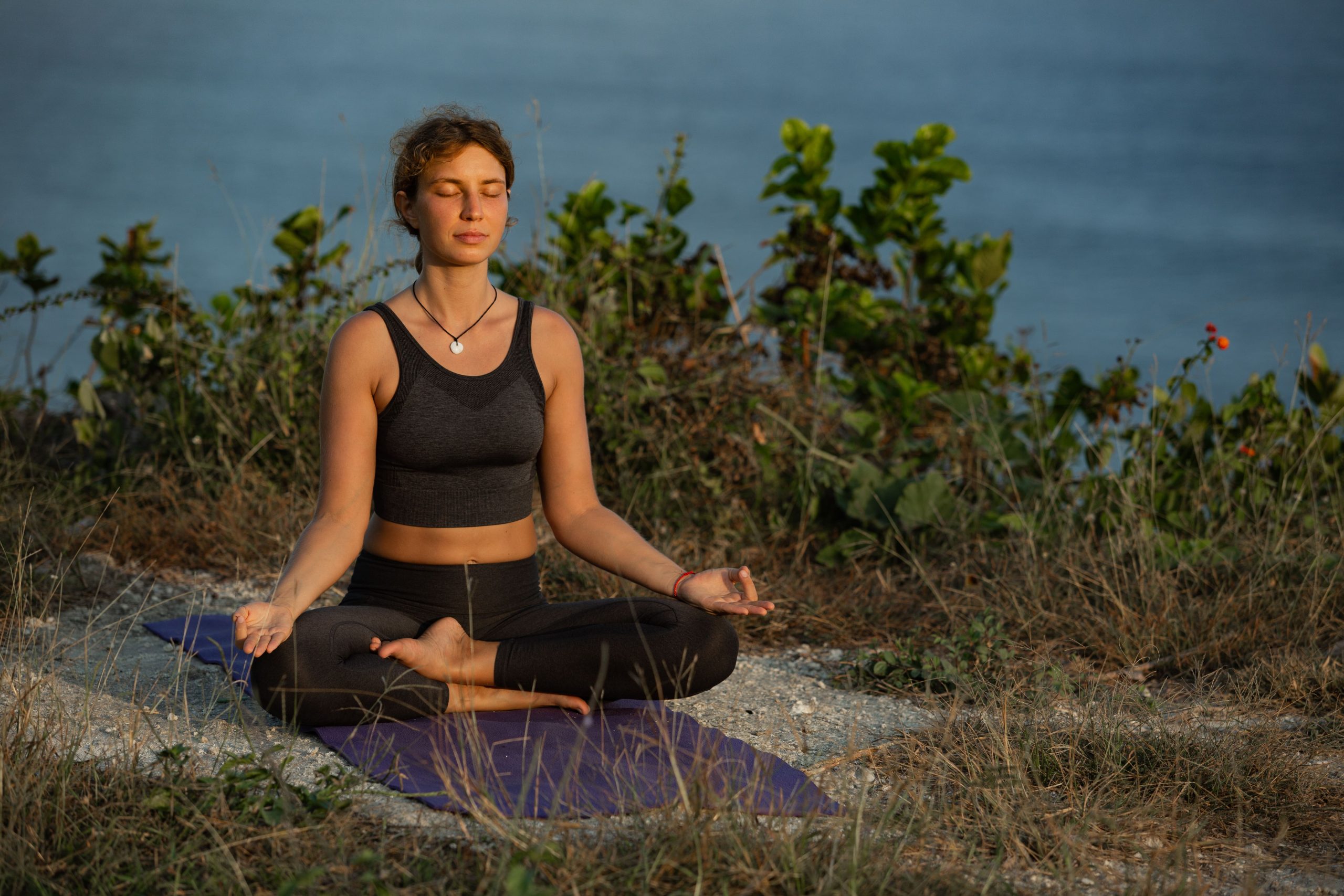
Cannabis heightens bodily awareness, making breath-focused meditation particularly powerful. Sit comfortably and direct your attention to the physical sensations of breathing—the cool air entering your nostrils, your chest expanding, the gentle release of each exhale. Cannabis helps you notice subtle details you might otherwise miss, transforming a simple breath practice into a rich sensory experience. For support with breathing techniques and wellness practices, explore resources on holistic health and mindfulness.
Body Scan Meditation
The enhanced physical awareness that cannabis provides makes body scan meditation especially effective. Start at your toes and slowly move your attention upward, noticing sensations, tension, or comfort in each area. Cannabis helps you tune into subtle signals your body sends, facilitating deeper release and relaxation. This practice is particularly beneficial for those dealing with chronic pain or physical discomfort.
Walking Meditation in Nature
Cannabis can transform a simple walk into a profound meditation experience. Choose a safe, familiar path and move slowly and deliberately, paying attention to each footfall, the movement of your body, and the environment around you. The sensory enhancement from cannabis makes colors more vivid, sounds more distinct, and natural beauty more apparent—perfect for cultivating present-moment awareness.
Beyond Traditional Sitting: Alternative Mindfulness Practices with Cannabis
Meditation extends beyond sitting on a cushion. Cannabis can enhance various contemplative activities that might not look like traditional meditation but cultivate the same qualities of awareness and presence.
Creative expression becomes a form of active meditation when approached mindfully. Whether you’re painting, journaling, playing music, or engaging in any artistic pursuit, cannabis can dissolve self-criticism and enhance flow states. The key is maintaining awareness of the creative process itself rather than fixating on the end product. Similarly, mindful movement practices like yoga, tai chi, or gentle stretching benefit from cannabis’s ability to deepen body-mind connection and release physical holding patterns.
Important Considerations and Potential Challenges
While cannabis can powerfully enhance meditation, approaching this combination with awareness of potential pitfalls ensures a beneficial practice.
Avoiding Dependency
The most significant risk of combining cannabis with meditation is developing psychological dependence on the plant to access meditative states. Your goal should be using cannabis as a tool for learning what deep meditation feels like, not as a crutch required for every session. Maintain a regular practice without cannabis to ensure you’re developing genuine meditation skills rather than simply enjoying altered states. Many practitioners find a ratio of three sober sessions to one cannabis-enhanced session maintains this healthy balance.
Navigating Mental Clarity
While cannabis can quiet mental chatter, excessive consumption can cloud clarity and prevent the insight that meditation cultivates. If you find yourself feeling foggy, distracted, or unable to maintain awareness during your practice, you’ve likely consumed too much. The sweet spot is subtle enhancement—you should feel more present, not less capable of observation and awareness.
Respecting Individual Differences
Cannabis affects everyone differently based on tolerance, body chemistry, strain choice, and consumption method. What works beautifully for one person might create anxiety or distraction for another. Approach this practice with curiosity rather than expectation, and be willing to experiment until you find your optimal approach. Some people discover that cannabis and meditation simply don’t combine well for them—and that’s perfectly valid.
Building a Sustainable Practice
Creating a long-term practice that integrates cannabis and meditation requires intentionality and structure. Consider keeping a meditation journal to track which strains, doses, and techniques work best for you. Note the quality of your experience, any insights that arise, and how different approaches affect your practice over time.
Establish clear intentions before each session. Rather than consuming cannabis simply to feel good, set a specific goal for your meditation—whether that’s cultivating compassion, investigating a particular emotion, or simply deepening present-moment awareness. This intentionality transforms cannabis consumption from recreational activity to sacred practice. For those interested in exploring other aspects of cannabis wellness, our educational resources offer guidance on various consumption methods and their effects.
Finally, remember that meditation is ultimately about developing qualities of awareness, compassion, and equanimity that extend into daily life. Cannabis can be a helpful teacher in this process, but the real work happens in how you show up in relationships, handle challenges, and navigate the complexities of human existence. Use cannabis as a window into deeper states of consciousness, but don’t mistake the window for the view itself.
The Future of Contemplative Cannabis Use
As research into both meditation and cannabis expands, we’re beginning to understand the neurological mechanisms behind their synergy. Early studies suggest that regular meditation practice may enhance endocannabinoid system function, while cannabis may support neuroplasticity—the brain’s ability to form new neural connections. This bidirectional relationship suggests that these practices truly do complement each other at a biological level.
Many meditation centers and wellness facilities are beginning to explore cannabis-friendly offerings, creating spaces where this ancient synergy can be practiced in community. As stigma continues to decrease and understanding increases, we’re likely to see more formal integration of these practices, including research into optimal protocols for therapeutic applications.
Whether you’re seeking anxiety relief, deeper spiritual connection, or simply a richer meditation experience, the combination of cannabis and contemplative practice offers profound possibilities. Approach this synergy with respect, start slowly, and allow your own experience to guide you. With mindful attention to dosage, strain selection, and technique, you can discover how this ancient combination might deepen your journey toward greater awareness and peace.
Frequently Asked Questions
How does cannabis enhance meditation practice?
Cannabis can enhance meditation by quieting mental chatter, increasing present-moment awareness, and deepening body-mind connection. The plant’s compounds interact with the endocannabinoid system to promote relaxation and focus, making it easier to enter meditative states. Low-dose consumption, particularly of CBD-rich or balanced THC:CBD strains, can help reduce anxiety and physical tension that often interfere with meditation.
What is the best cannabis strain for meditation?
The best strains for meditation typically have balanced THC:CBD ratios or are CBD-dominant, such as Harlequin, ACDC, or Cannatonic. These strains provide mild relaxation without overwhelming psychoactive effects that might distract from mindfulness. Sativa-leaning hybrids like Blue Dream can also work well for active meditation practices, while indica strains may support body-scan or deep breathing exercises.
Can beginners combine cannabis and meditation safely?
Yes, beginners can safely combine cannabis and meditation by starting with very low doses (2-5mg THC or CBD-dominant products) and establishing a regular meditation practice first. It’s recommended to meditate sober initially to understand your baseline, then introduce cannabis gradually. Begin with CBD products or microdosing, practice in a comfortable environment, and always prioritize the meditation technique over the cannabis experience.